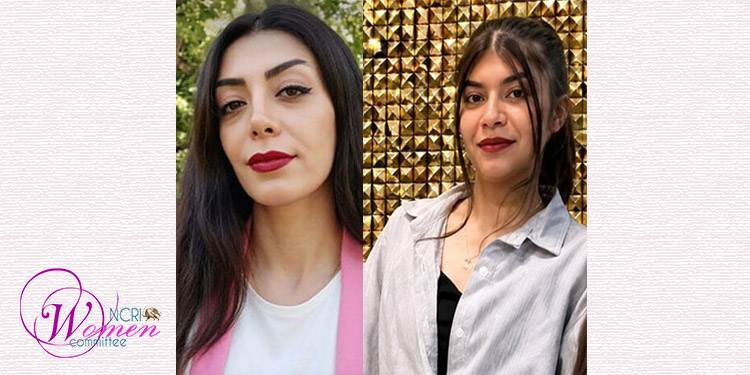
Iranian regime authorities flogged two female protesters detained during the January 2026 uprisings before sending them to prison to begin serving their time.
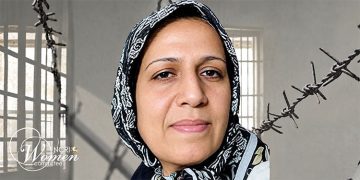
Neda Dadehjani and Setayesh Sarabi, residents of Qorveh in western Iran, were flogged 31 times each, on Saturday, August 22, after responding to a summons at the Qorveh Criminal Court, after which they were taken into custody and transferred to Sanandaj Prison, in Iran’s Kurdistan province.
The two female protesters had previously been sentenced to imprisonment, floggings, and internal exile in a two-part case.
In the first part of the case, Branch 102 of the Qorveh Criminal Court sentenced each of them to one year in prison, 31 lashes, and a two-year internal exile to Nik Shahr, Sistan and Baluchestan Province, on charges of “disrupting public peace and order.”
In the second part, Branch 1 of the Qorveh Revolutionary Court sentenced each woman to two years in prison on charges of “assembly and collusion to commit crimes against internal security.” Under these rulings, two years of the total prison sentence issued for each individual is enforceable.
Neda Dadehjani and Setayesh (Behnoush) Sarabi were arrested by security forces during the January 2026 nationwide protests.
Neda Dadehjani is active in the performing arts and is known as an artist, puppeteer, costume designer, and theater makeup artist. She previously won awards for puppetry and puppet design at the 8th Regional Theater Festival for Persons with Disabilities. Setayesh Sarabi is also one of the two female protesters from Qorveh who was detained during the January 2026 protests.
January 2026 Uprising
The January 2026 Uprising What began on December 28, 2025, as an economic protest by Tehran bazaar merchants against skyrocketing inflation and the collapse of the Iranian rial quickly transformed into a nationwide political uprising. The movement spread like wildfire across 400 cities and deep into the country’s university campuses.
The heroic uprising of Iranian men and women was met with unrestrained violence. Countless protesters who took to the streets across the nation became targets of mass slaughter.
Women paid the highest price during the crackdown in January. Time and again, they stood ground and resisted before the Revolutionary Guard Corps (IRGC) and other oppressive forces; they faced water cannons, blocked streets, and refused to retreat. For many, the cost of this courage was their lives.
On the direct orders of Ali Khamenei, repressive security forces opened fire with intent to kill. Snipers targeted the heads, hearts, and eyes of demonstrators. From rooftops and pedestrian overpasses, volleys of bullets rained down indiscriminately on defenseless civilians, young and old alike.
By Khamenei’s own admission, “several thousand people” were killed. The People’s Mojahedin Organization of Iran (PMOI/MEK) announced that more than 50,000 individuals were arrested during these nationwide protests.