
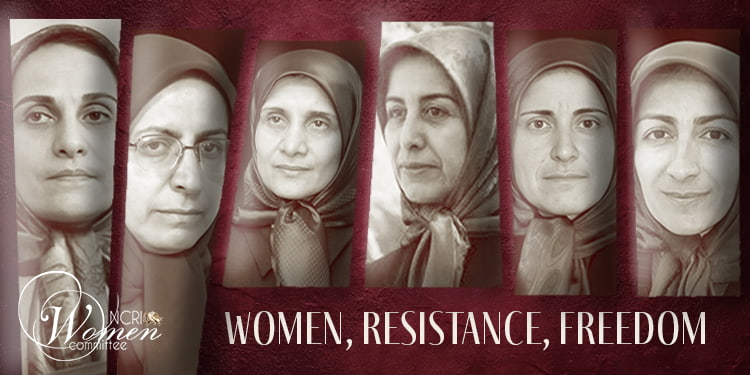
When an early morning raid struck Camp Ashraf at 5:00 AM on September 1, 2013, the goal of Iran’s clerical regime was to crush the heart of its organized democratic resistance. Among the 52 unarmed PMOI members killed in cold blood were six women leaders. These leading women had surrendered personal comfort to build a free Iran.
Over a decade later, the regime has failed to erase their memory. Instead, their defiance laid the foundation for a movement that defines Iran today: a liberation struggle led by women and powered by youth.
The Vanguard of Ashraf
The women who held the line at Camp Ashraf in September 2013 were the architects of a political alternative, who chose to lead at a moment of maximum risk:
- Zohreh Ghaemi (49): Leader of Camp Ashraf and Deputy Secretary General of the PMOI. A former political prisoner known for her humbleness and resolve, she commanded the camp until her final breath.
- Giti Givechinian (55): Assistant Secretary General of the PMOI and Chairwoman of the Security and Counter-terrorism Committee of the NCRI with a degree in psychology, offering 34 years of dedication to democratic change.
- Mitra Bagherzadeh (54): A senior member of the PMOI Leadership Council and Head of Ashraf’s legal affairs, driven by an unwavering resolve to end the systemic oppression of women.
- Jila Tolou (53): Member of the PMOI Leadership Council and Director of communications, working on the frontlines of information.
- Fatemeh Kamyab (52): A former political prisoner, a member of the PMOI Leadership Council and head of logistics, whose two brothers had already been executed by the regime.
- Maryam Hosseini (49): A former political prisoner, a member of the PMOI Leadership Council, and responsible for camp security, who faced her captors with courage to her final moment.
Six other women leaders were abducted that day, their fates sealed in the shadows of state terror. Yet, far from destroying the opposition, their sacrifice set an irrevocable precedent: Iranian women would not just participate in the struggle—they would lead it.
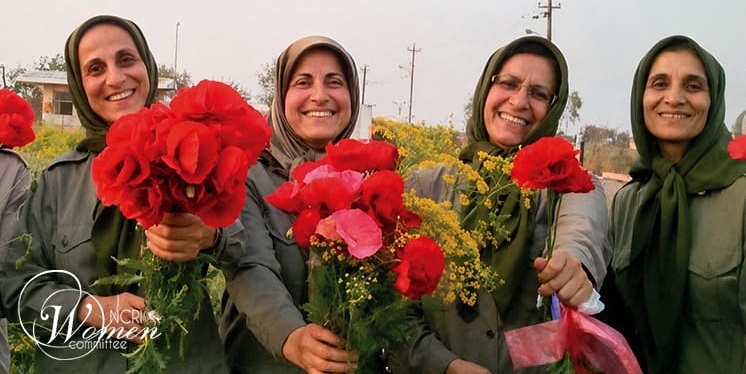
An Unbroken Lineage: Women, Resistance, Freedom
The spirit of Ashraf did not remain buried in the desert. It migrated into the streets of Tehran, Tabriz, Rasht, and Zahedan.
From the nationwide uprisings of 2017, 2019, and the 2022–2023 movement, straight through to the massive Gen-Z protests of 2025–2026, a clear thread connects every wave of defiance. The core belief remains unchanged: true freedom in Iran is impossible without women at the helm of resistance.
Today’s youth are carrying forward the banner of “Women, Resistance, Freedom.” Gen-Z protestors blocking streets, dismantling barriers, and facing down state violence are standing on the shoulders of the women of Ashraf. The leadership, strategic focus, and selflessness shown on September 1, 2013, serve as a playbook for a new generation determined to bring down religious tyranny once and for all.
The Price of Freedom, The Guarantee of Victory
On this anniversary, we remember the women slain on September 1, 2013, in Ashraf, who paid the ultimate price for democracy. In doing so, they ensured a democratic society for Iran’s future generations, where women and men, and all the various nationalities in Iran will enjoy equal rights and freedoms.