
Political Prisoners Remain Defiant Despite Escalating Crackdowns and Inhumane Conditions
May 2026 Report: From the Frontlines to the Prison Cells
New Casualties Confirmed from the January 2026 Crackdowns in Iran
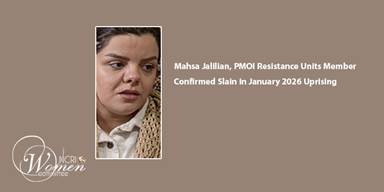
The Case of Mahsa Jalilian
Among the newly verified names of casualties from the regime’s brutal crackdown on the nationwide protests of January 2026, the People’s Mojahedin Organization of Iran (PMOI/MEK) has officially confirmed the death of 30-year-old Mahsa Jalilian.
- Date of Incident: January 9, 2026
- Location: Eslamabad-e Gharb, Iran
- Affiliation: Member of the “Resistance Units”
According to reports, Jalilian was killed in action while intervening to protect defenseless citizens from security forces. She died on the scene after being targeted by direct gunfire from regime operatives.
Death Sentence for Political Prisoner Zahra Tabari
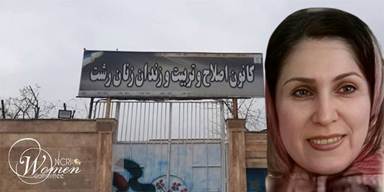
The Revolutionary Court in Rasht has once again sentenced political prisoner Zahra Tabari to death on charges of bagh-y (“armed rebellion against the state”) based on her alleged membership in and activities related to the People’s Mojahedin Organization of Iran (PMOI/MEK).
Zahra Tabari, 68, is an electrical engineer who holds a master’s degree in Sustainable Energy from the University of Borås in Sweden. She was arrested in April 2025 after security forces raided her home in Rasht.
Tabari had previously been arrested in June 2022 and sentenced to 18 months in prison. She was first tried in November 2025 by Branch 1 of the Rasht Revolutionary Court and sentenced to death. The ruling was issued following a brief hearing lasting approximately ten minutes, conducted via video conference and without the presence of her chosen legal counsel.
Following widespread criticism and international reactions to the death sentence imposed on the political prisoner, the clerical regime’s Supreme Court referred the case back to Branch 2 of the Rasht Revolutionary Court for reconsideration. On April 14, 2026, the court, once again sentenced Tabari to death on the same charges. The verdict was officially delivered to her this week.
Defiance Behind Bars: Political Prisoners Maintain Momentum
The fierce and courageous resistance of political prisoners, particularly inside the women’s ward of Evin Prison and other detention centers across Iran, continues unabated. Despite escalating pressure from the regime and punitive deprivations aimed at crushing the ongoing “No to Executions Tuesdays” campaign, female political prisoners stand more resilient than ever, effectively turning prison walls into another frontline of defiance.
Key Developments in May 2026
The month of May also shed light on critical human rights violations and targeted state crackdowns across the country:
- Exposure of Vakilabad Prison: New revelations emerged exposing hidden, dire conditions within the women’s ward of Vakilabad Prison in Mashhad.
- Family Targeting and Hostage-Taking: Authorities launched a wave of family-wide arrests, effectively taking relatives of justice-seeking families and human rights lawyers hostage.
- Extended Sentences: The regime systematically extended the prison sentences of non-compliant and resilient political detainees to suppress continued activism.
Punitive Deprivations Target Leaders of the “No to Executions” Campaign in Evin
In response to the sustained and expanding resistance inside prisons, security authorities of the clerical regime have launched a new wave of disciplinary pressures against female political prisoners held in Evin Prison.
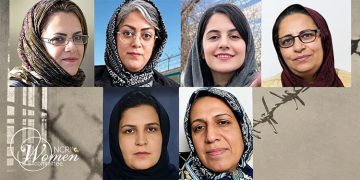
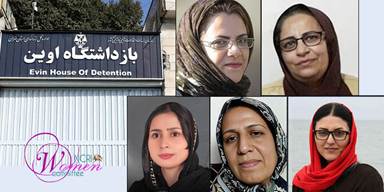
As part of this crackdown, six resilient female political prisoners—Zahra Safaei, Forough Taghipour, Marzieh Farsi, Shiva Esmaeili, Golrokh Iraee, and Sakineh Parvaneh—have been sentenced by the prison’s disciplinary committee to a six-week ban on family visitations. This punitive measure was enforced due to their participation in the “No to Executions Tuesdays” hunger strike campaign, in an inhumane attempt to break the prisoners’ resolve and isolate them from the outside world.
Furthermore, on May 24, 2026, five of the prisoners—Zahra Safaei, Marzieh Farsi, Shiva Esmaeili, Golrokh Iraee, and Sakineh Parvaneh—were completely cut off from prison phone access, a deprivation that remains in effect. These severe restrictions were imposed after the women defied official threats, continuing their protest hunger strike against execution sentences and chanting anti-regime slogans during their courtyard recreation time.
An Underground Dungeon for Detained Protesters
Internal reports from Mashhad’s Vakilabad Prison have unveiled the inhumane conditions inside the facility’s women’s ward, colloquially referred to as Band-e Aramesh. While previously utilized as a punitive disciplinary unit, the ward has now been transformed into a blackout dungeon designed to isolate and censor detainees swept up during the nationwide uprising of January 2026. At least 25 female protesters are currently held under harrowing conditions in this semi-solitary confinement facility.
Harrowing Conditions Inside the Women’s Ward
Former detainees who were recently released describe the ward’s subterranean architecture and severe deprivations:
- Subterranean Structure: The ward is an underground hangar situated below the level of the other prison sectors, characterized by low ceilings, poor ventilation, and a lack of adequate windows. Released prisoners have likened its layout to an “ant nest.”
- Sanitation and Environment: Inmates endure a persistent stench of sewage, arbitrary shutoffs of heating and cooling systems, and a severe shortage of basic bedding materials like blankets and pillows.
- Medical Neglect: The complete deprivation of basic medical services, combined with the stifling environment, has repeatedly triggered severe respiratory distress and panic attacks among the detained women.
The Detention Process
Upon arrest, female detainees are initially held in “Ward 6,” where they undergo intense interrogation while being denied all phone calls and family visitations. Once the interrogation phase concludes, detainees over the age of 18 are transferred to this underground dungeon.
Sanitation Crisis and Pest Infestations: The New Tools of Torture in the Women’s Ward of Evin
As temperatures rise, reports from Evin Prison reveal a severe deterioration in sanitary conditions, marked by a massive infestation of insects and rodents. This unfolding crisis poses a direct threat to the health and safety of the inmates, particularly female political prisoners.
Deliberate Neglect and Structural Hazards
Human rights reports indicate that prison authorities are intentionally withholding routine pest control and fumigation services. Furthermore, flawed and substandard renovations—left unfinished after structural damages caused by past bombardments and fires—have exacerbated the crisis, creating breeding grounds for rats, cockroaches, and bedbugs to overrun the prisoners’ cells and sleeping quarters.
Calculated Psychological and Physical Pressure
The female political prisoners, who already endure harsh conditions such as extreme humidity, lack of natural light, semi-subterranean cells, and poor ventilation, are now being deprived of sleep and rest. They also face a heightened risk of contracting severe infectious diseases and acute skin conditions.
The prison administration’s deliberate indifference to the inmates’ repeated protests points to an organized policy aimed at maximizing physical and psychological distress on these resilient women during the summer heat.
Wave of Mass Arrests and the Targeting of Families
Ahmad-Reza Radan, the Commander of the regime’s State Security Force (SSF) openly admitted to the massive scale of ongoing detentions. Speaking on May 16, 2026, Radan announced that more than 6,500 individuals have been arrested since the onset of the recent conflict—a staggering figure that underscores the implementation of a full-scale nationwide crackdown.
As part of this blanket suppression, the regime’s security apparatus has not only systematically executed family-wide arrests and targeted the surviving relatives of slain protesters but has also subjected detained women to prolonged legal limbo and heavy judicial sentences.
Detained Women Held in Legal Limbo
The following are the names of several women currently held in Mashhad’s Vakilabad Prison after being arrested for their participation in the protests. Most of these detainees remain in an extended state of unresolved legal limbo:
- Arezoo Dehghan
- Soheila Hosseini
- Mahdieh Afghahi
- Hadiseh Morvaridi
- Faezeh Salehabadi
- Shahrzad Zamiri
- Tahereh Dehghan
- Azar Yahoo
- Asiyeh Naeimi
- Adeleh Naeimi
- Mahsa Behdari
- Mahboubeh Shabani
- Marzieh Mashhadi
- Sima Anbaee
- Hadiseh Babazadeh
- Reyhaneh Kafshkanan
Two Political Prisoner Sisters Sentenced to 16 Years in Jail
The Tehran Revolutionary Court sentenced Kimia Davoudi to 10 years in prison and Tara Davoudi to six years. The two sisters are currently being held in the women’s ward of Evin Prison.
Kimia and Tara Davoudi were arrested in late January 2026 amid a broader crackdown by Iranian security forces on anti-government nationwide protests across the country. Two sisters were subjected to violence and physical assault during their arrest.
Kimia Davoudi was a former law student at Razi University, while Tara Davoudi had studied surveying engineering at the University of Isfahan.

Two Female Political Prisoners Sentenced to 53 Years in Prison
On Saturday, May 23, 2026, judicial authorities in Iran’s Semnan province announced a combined sentence of 53 years in prison for two political prisoners, Leila Ramezani and Fatemeh Malek-Ahmadi. The charges leveled against them include “sending videos to opposition television networks” and “transmitting content and information.”
Fatemeh Malek-Ahmadi was sentenced to 26 years in prison, while Leila Ramezani received a 27-year sentence. In addition to their prison terms, both women face a series of severe social and civil bans, including being barred from government public service, a ban on international travel, and a lifetime restriction on joining political parties or socio-political groups.
Christian Convert Sentenced to Over Nine Years in Prison
Following her arrest by the Revolutionary Guard Corps (IRGC) Intelligence Organization in Tehran, 37-year-old Christian convert Ghazal Marzban was subjected to severe pressure to extract a forced confession. The Christian woman was ultimately sentenced to nine years and eight months of imprisonment.
Eighteen-Year-Old Detainee Kept in Legal Limbo After Forced Confessions
More than four months after her arrest during the January 2026 uprisings, 18-year-old Shadi Mousavi-Rak’ati, a native of Izeh, remains in an unresolved state of legal limbo at Sepidar Prison in Ahvaz.
Following months of severe physical torture and agonizing psychological pressure in detention, the regime’s security apparatus broadcasted a video of the young woman’s forced confessions in state media. By systematically framing her as the alleged “leader of the Izeh protests,” authorities are attempting to lay the groundwork for handing down heavy, security-related judicial sentences against her.
English Instructor Transferred to Urmia Prison Following Interrogation
Forouzan Nojavan (Eslami), an English language instructor in Urmia, was arrested by security forces on May 13, 2026. Following an extended interrogation phase, she was transferred to the women’s ward of Urmia Central Prison on May 24, 2026. She was released on bail on May 31.
The Regime’s Dread of the Voice of Justice
Faced with a rising tide of public outrage, the clerical regime has increasingly targeted the relatives of slain dissidents, effectively taking the mothers and sisters of fallen resistance fighters hostage to suppress their demands for justice.
- The Daneshvarkar Sisters: Azam and Akram Daneshvarkar (aged 54)—sisters of executed PMOI member Akbar Daneshvarkar, who was hanged in Ghezel Hesar Prison on March 30, 2026—were arrested on April 18, 2026, and initially transferred to Qarchak Prison. Following the fabrication of baseless charges of “assembly and collusion,” the two sisters were moved to an undisclosed location. Since May 7, 2026, there has been no information regarding their whereabouts or place of detention. Their arrest was driven solely by their persistent efforts to reclaim the body of their brother, who had been an active member of the “No to Executions” campaign.
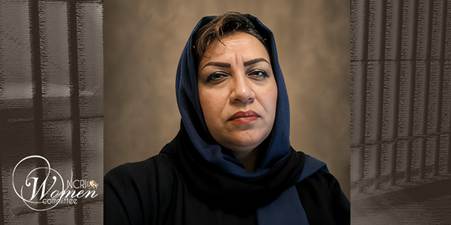
- Masoumeh Ajini: Sixty-three-year-old former political prisoner Masoumeh Ajini—the sister of Mahmoud Ajini, one of the victims of the 1988 prison massacres—was arrested on April 4, 2026, in the suburbs of Gorgan and transferred to an unknown location.
- Marzieh Farsi: On May 24, the Ministry of Intelligence summoned the family of Marzieh Farsi, a political prisoner held in Evin Prison and subjected them to several hours of interrogation. According to informed sources, family members were threatened, insulted, and placed under significant psychological pressure during questioning. Interrogators warned them against maintaining contact or associating with other families of political prisoners, as well as with members or supporters of the People’s Mojahedin Organization of Iran (PMOI/MEK).
- Sedigheh Moradi and Azar Korvandi: Over the past two weeks, several other families of political prisoners and PMOI supporters have also been summoned and interrogated by the Ministry of Intelligence. Those targeted include the families of former political prisoners Sedigheh Moradi and Azar Korvandi, and the family of Akbar Daneshvarkar, a PMOI member who was executed in late March. Sources close to the affected families of PMOI stated that Intelligence Ministry interrogators had threatened them with property confiscation and the loss of family-related rights if they failed to comply with official demands. These threats are part of a broader campaign to increase pressure on the relatives of political prisoners and regime opponents.
Stripping Detainees of Legal Defense
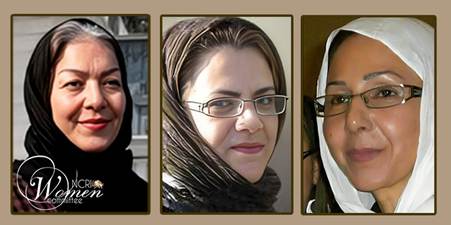
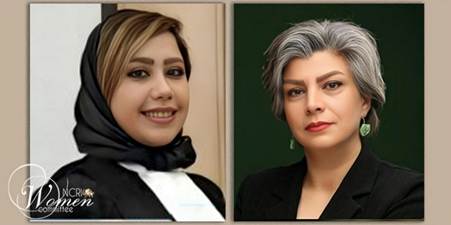
To cut off political prisoners from the outside world and leave them defenseless in kangaroo courts, the regime’s security apparatus has launched a new wave of crackdowns and arrests targeting progressive defense attorneys in Shiraz:
- Bahar Sahraeian: A defense attorney and member of the Fars Province Bar Association, Sahraeian was arrested on May 16, 2026 at her workplace inside the Shiraz Revolutionary Court complex. She was subsequently transferred to the women’s ward of Adelabad Prison. She faces charges of “assembly and collusion with intent to act against national security.”

- Elham Zeraatpisheh: A female defense attorney, Zeraatpisheh was abducted by security agents on May 4, 2026 from outside the building of the Shiraz Judiciary Enforcement Department and taken to an undisclosed location.
- Asetareh Ansari: A defense attorney with a history of representing high-profile political and security cases, Ansari was arrested on May 3, 2026 following a raid on her home by security forces. She was subsequently transferred to an unknown destination.
Fabricating Cases Behind Bars: The Regime’s Tool to Block the Release of Resilient Prisoners
One of the systemic tactics employed by the regime’s judiciary—which operates under the direct influence of the Ministry of Intelligence and the Revolutionary Guard Corps (IRGC)—is the manufacturing of new legal cases to extend the sentences of non-compliant political detainees. This strategy is particularly weaponized against prisoners whose current sentences are nearing completion.
New Sentences Extended for Political Prisoners
- Forough Taghipour: Political prisoner Forough Taghipour was sentenced to an additional one year of imprisonment. This extension stems from a newly fabricated case charging her over the issuance of a “congratulatory statement marking Student Day.”
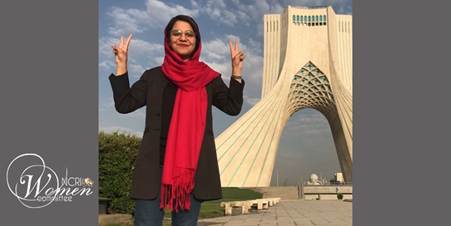
- Shiva Esmaeili and Elaheh Fouladi: Political prisoners Shiva Esmaeili and Elaheh Fouladi have each been sentenced to an additional six months in prison. This new judicial action was taken in retaliation for their courageous protest against the suspicious death of fellow detainee Somayeh Rashidi at Qarchak Prison in October 2025. Rather than investigating and prosecuting those responsible for her death, the judiciary penalized the whistleblowers, sentencing them to extended prison terms under the charge of “insulting the Supreme Leader.”
Deliberate Medical Neglect and Denial of Vital Medication
The denial of medical treatment—historically weaponized by the regime as a form of slow-motion torture—continues to be systematically deployed across Iranian prisons. Several prominent cases documented this month include:
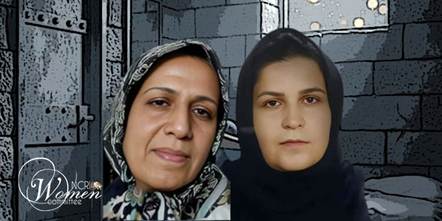
- Zeynab Jalalian: Currently serving the 20th year of her life sentence, Jalalian is in critical physical condition due to authorities continuously blocking her access to specialized medical care. Complications arising from an incomplete surgery last autumn have led to persistent internal bleeding and severe anemia. Despite the urgent necessity for an immediate transfer to a specialized hospital, security officials at Yazd Central Prison refuse to authorize her medical leave.
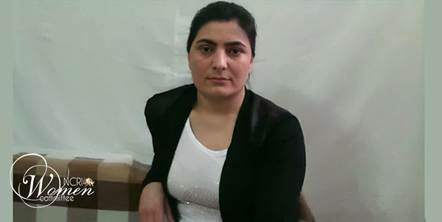
- Parisa Kamali: A 40-year-old political prisoner and supporter of the People’s Mojahedin Organization of Iran (PMOI/MEK) held in Yazd Prison, Kamali has been completely cut off from her life-saving medications, with authorities using the pretext of ongoing “wartime conditions.” Following her recent defiant stances—including releasing a public message marking the 40th-day memorial of the January uprising martyrs and the anniversary of the PMOI founders’ martyrdom—prison officials have threatened her with punitive exile to Khash Prison in Sistan and Baluchestan Province.
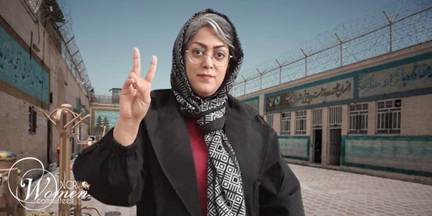
The Echo of Resistance from Behind Evin’s Walls
Amidst this unbridled crackdown, the voices of resilient women have transcended prison walls and crossed international borders. PEN America in New York awarded its prestigious 2026 PEN/Barbara Goldsmith Freedom to Write Award to Golrokh Iraee, an imprisoned writer currently held in Evin Prison.
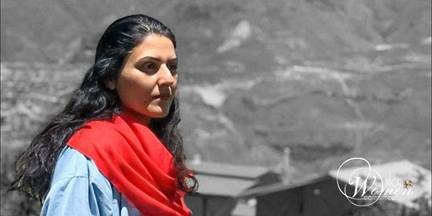
In a powerful letter addressed to PEN America, Iraee wrote:
“…Here, writing fearlessly about the suffering of a people rising up to fight oppression is treated as a crime. The ruling reactionary regime cannot tolerate freedom of thought or the courage of expression when the ‘pen’ assaults the erected gallows, chronicles poverty and inequality, and heralds the uprising of the starved.
We write to confront the physical elimination of human beings, the erasure of thought, and the suppression of beliefs, as well as political, ideological, and social rights. We write even if our own freedom is shackled; even if we are threatened, forced into exile, or made to sacrifice our lives. Under the yoke of exploitation and tyranny, we have composed this struggle into poetry and slogans, paid for with our lives and blood.
The pen becomes the outcry of a shared agony against oppression; it becomes a cry for the breadless tables. It becomes the voice of mourning mothers weeping as the bodies of those brave, executed souls are carted off on chariots of death toward unmarked graves.
We will break free from this suffocation, and we know this is only possible through collective action—to establish justice and equality, until humanity is liberated from the tyranny and subjugation of autocrats.”