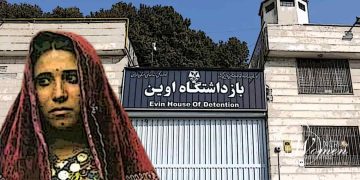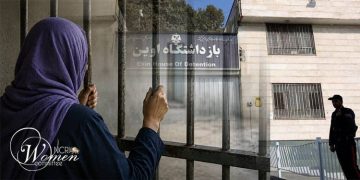


Approximately 80 women detained during the January uprising are currently being held in Qarchak Prison, according to informed sources. The facility is reportedly facing severe overcrowding and a shortage of basic resources.
These 80 women detained are being housed in a section consisting of five rooms within a single ward. The space is considered inadequate for the current number of prisoners, resulting in significant overcrowding. Many of these women were reportedly arrested during the January protests or while attending memorial gatherings for those killed during the demonstrations at Behesht-e Zahra cemetery.
Severe Living Conditions and the Spread of “Floor Sleeping”
Conditions for female prisoners in Qarchak Prison have been described as extremely difficult. Due to the lack of beds and limited space, dozens of inmates are reportedly forced to sleep on the floor.
This practice, commonly referred to in Iran as “floor sleeping”, is a well-documented issue in the country’s prison system, where overcrowding forces detainees to rest on the ground rather than on beds. In Qarchak Prison, the situation has become a serious challenge for incarcerated women.
Limited sleeping space, restricted access to hygiene supplies, and the absence of basic welfare facilities have created significant hardships in the prisoners’ daily lives.
Shortage of Hygiene and Sanitation Supplies
Reports also indicate a significant lack of hygiene and sanitation supplies among the women held in Qarchak Prison. Prisoners reportedly have insufficient access even to basic cleaning and disinfecting materials.
The absence of adequate sanitation in a densely populated environment increases the risk of disease outbreaks and poses a serious threat to the health of detainees.
Suspension of Family Visits Raises Concerns
Another major concern is the suspension of family visits. In-person visitation at Qarchak Prison has reportedly been canceled, leaving many detainees unable to meet with their relatives.
As a result, many families have little reliable information about the condition of their loved ones. The restrictions have heightened anxiety among relatives, particularly as some of the women have not been able to see their families for an extended period and their contact with the outside world has become severely limited.
Legal Uncertainty for January Uprising Detainees
In addition to the harsh living and sanitary conditions, a number of women arrested during the January uprising are facing legal uncertainty.
Some detainees have reportedly been told that their case files have been lost, and that the review of their cases may be delayed until at least May 2026.
This state of legal limbo, combined with the harsh conditions inside Qarchak Prison, has placed significant psychological pressure on detainees and intensified concerns regarding their fate.