
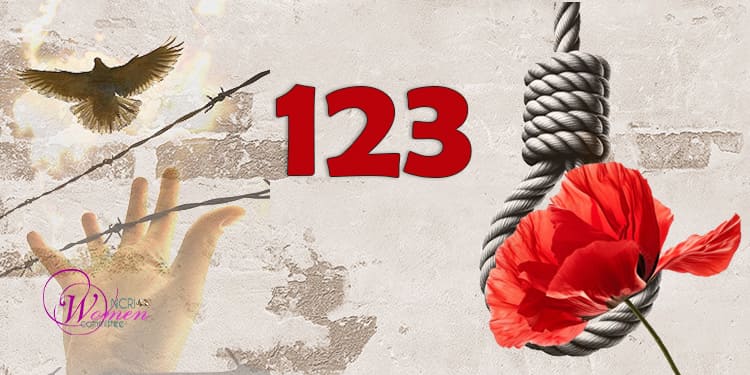
Marking the 123rd week of the protest campaign “No to Executions Tuesdays” political prisoners in 56 prisons across Iran launched another hunger strike on Tuesday, June 2, 2026, renewing their opposition to the regime’s policy of executions and repression. Despite extensive security pressure, the campaign has continued and has become one of the longest-running protest movements inside Iran’s prison system.
Participants in the campaign stated that they will continue protesting against the issuance and implementation of death sentences despite escalating pressure from authorities. In recent weeks, prison officials and security agencies have attempted to suppress the movement through interrogations, threats, disciplinary restrictions, and the denial of basic rights to prisoners, including women political prisoners.
Pressure on Women Political Prisoners in Evin Prison
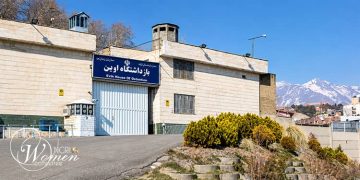
Among those participating in the campaign are women political prisoners held in the women’s ward of Evin Prison, who chant anti-execution slogans every Tuesday in protest against executions. Due to their participation in these protests, prison authorities have imposed visitation bans and denied them phone contact with their families.
Why Is the Number of Political Prisoners Facing Execution Increasing?
In the statement issued during the 123rd week of the “No to Executions Tuesdays” campaign, participants said that amid growing social unrest and deepening crises, Iran regime is attempting to prevent widespread protests by intensifying repression, creating an atmosphere of fear, and expanding the use of the death penalty. The signatories emphasized that executions are not a solution to the country’s crises, but rather a tool used to instill fear in society.
The statement also warned about the growing number of political prisoners facing execution.
It is also noteworthy that the death sentence of political prisoner Zahra Tabari, currently held in Lakan Prison in Rasht, has once again been upheld.