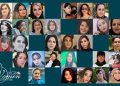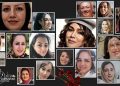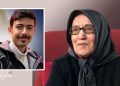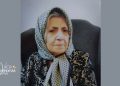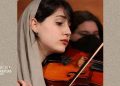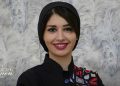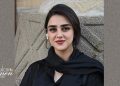

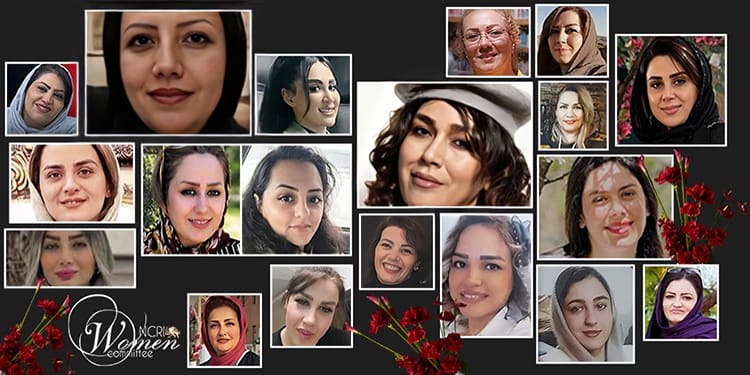
Among those killed during the January 2026 uprising in Iran there are mothers whose names stand out—women who took to the streets for the freedom of Iran and for the future of the children of this land, only to be met with bullets. A look at the recorded names reveals at least 22 courageous women, beside whose names it is noted: mother of one, two, or three children—and even mothers who, while carrying unborn babies, were targeted by the gunfire of the state security forces.
Even by a preliminary estimate, at least 50 to 60 children lost their mothers in the January uprising—children who must now continue their lives without them. The true number is undoubtedly far higher, as the names of many of those killed have yet to be made public.
These women did not take to the streets for anything less than freedom. Their aspirations were grounded in the hope of building a dignified future, one defined by equal access to education, healthcare, and opportunity for all of Iran’s children. The response to these fundamental demands was lethal force. In the aftermath of those cold winter days, their children gather each week at their mothers’ graves—where, instead of a warm embrace, they are left to hold the cold earth in their arms.
Among these mothers were:
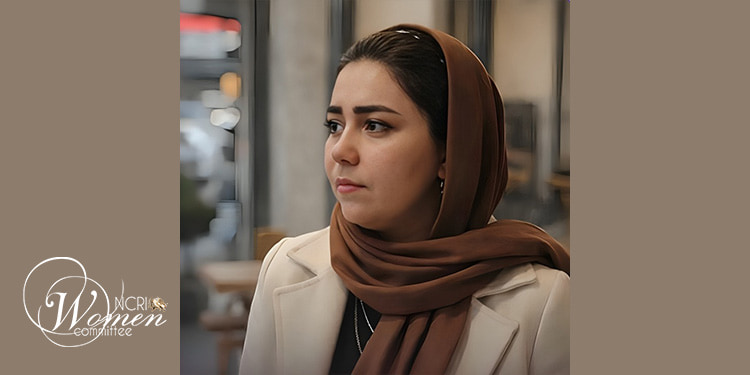
- Akram Pirgazi, 40, a mother of two daughters from Neyshabur, was the first woman killed on January 7, 2026. She was shot in the abdomen by the regime’s Revolutionary Guard Corps (IRGC) and died hours later in hospital.
- Mansoureh Heydari, a nurse and mother of two children aged 7 and 10 from Bushehr, was killed when the state security forces opened fire from inside a mosque on people chanting in protests.
- Zahra Bani Amerian, had come to the streets with her entire family. She was killed alongside her husband and 19-year-old son when security forces opened fire on their car during the protests in Karaj. Her older son was severely wounded.
- Arezoo Abed, 50, a mother of two from Isfahan, was a mountaineer and fitness coach. She took to the streets during the protests in Isfahan alongside her 25- year-old son and 19-year-old daughter. She was shot in the head by repressive forces using military-grade weapons and died in her son’s arms.
- Shokoufeh Abdi, a professional photographer and mother of two young daughters, was shot and killed during the protests in Arak. She was known for images that reflected her love for her children and her hopes for their future.
- Parisa Lashkari, 30, a mother of a seven-year-old daughter from Nurabad Mamasani, was shot on January 10. She managed to contact her husband and brother to request help, but the regime’s forces found her and shot her at close range to the heart.
- After calling her husband and brother for help, she was fatally shot in the heart at close range. A photo of Parisa’s 7-year-old daughter, holding her mother’s gravestone in her arms, is one of the most heartbreaking images of the 2026 uprising.
- Mona Esmi, 38, mother of an eight-year-old boy, was shot in the heart on January 8.
- Jamileh Shafiei, a 66-year-old mother, tried to protect the young protesters by placing herself between them and the state security forces. However, she was shot at close range and lost her life. Her burial was carried out secretly in one of the villages near the city of Arak.
- Zahra Bagheri, mother of two, from Bagh-e Daran, Isfahan
- Farzaneh Tavakoli, 40, mother of two, from Arak
- Parisa Naghibi, 45, mother of two, from Rasht
- Ziba Dastjerdi, 33, pregnant, mother of an eight-year-old daughter, from Nishapur
- Sholeh Sotoudeh, pregnant, mother of two, from Langarud
- Samin Rostami, 42, nurse, mother of two, from Karaj
- Zahra Najafi, 30, pregnant, from Mashhad
- Tayebeh Rezaei, mother of two, from Kermanshah
- Leila Lashkari, 43, mother of three, from Qarchak, Varamin
- Malakeh Razavian, 40, mother of three, from Isfahan
- Bahareh Babaei, mother of three, from Farrokhshahr, Chaharmahal and Bakhtiari Province
- Mojgan Zeinali, 38, mother of three, from Tabriz
- Sanaz Gharadaghi, 31, mother of one daughter, from Karaj
- Fereshteh Rajabi Eghbash, 39, mother of two, from Tehran
Though incomplete, this list offers a stark portrait of women from diverse regions and ethnic backgrounds across Iran who participated in the uprising, some even alongside their children.
Women: The Vanguard of a Nation’s Struggle for Freedom
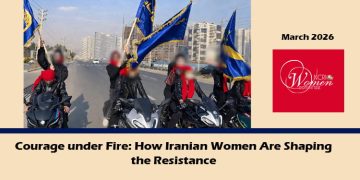
Women once again played a decisive and leading role in this uprising. Unarmed, they stood against heavily armed security forces, raising their voices in protest and refusing to yield in the face of repression.
They embody the will of a nation determined to achieve freedom, regardless of the cost.
As Carla Sands, former United States Ambassador to Denmark (2017–2021), previously wrote:
“Women have been among the primary victims of Iran’s repression. They have also become the most dynamic force challenging it. Across the country, women no longer merely participate in dissent. They drive it. In city after city, they confront the regime’s most repressive forces. In many instances, they do not just join protests; they lead them.”
Indeed, women represent a driving force for change, one that continues to assert itself, even at the highest possible cost: a generation of children forced to grow up without their mothers.