

1981-1983: Unequal Struggles
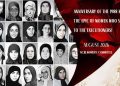
Following the events of June 20, 1981, political groups—especially the People’s Mojahedin Organization of Iran (PMOI)—found their ability to operate publicly and engage in propaganda completely stripped away. The PMOI’s official offices were forcibly closed, and members’ family homes became perilous havens. Many faced arrest, while others were abruptly displaced.
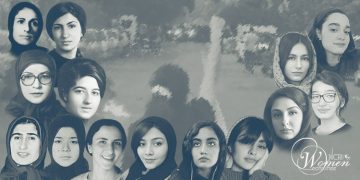
In the early 1980s, the residences of PMOI members bore the brunt of attacks by the Revolutionary Guards, resulting in the martyrdom of many. Maintaining even minimal security for the few houses the PMOI managed to secure in that oppressive climate proved exceptionally challenging. These hardships weighed particularly heavily on women—pregnant mothers and young caretakers alike. Yet, this generation bore it all as the price of freedom, embracing their struggle with unwavering dignity.
During this tumultuous period, Khomeini, still alive, believed that dealing heavy blows to the opposition would showcase his power, demoralize staunch movement supporters, and shatter their resistance both within and beyond prison walls.