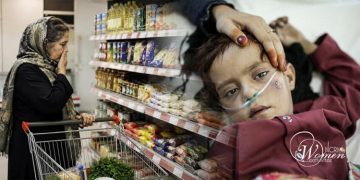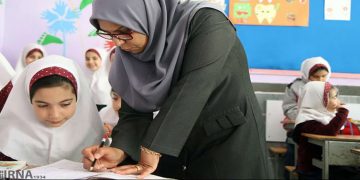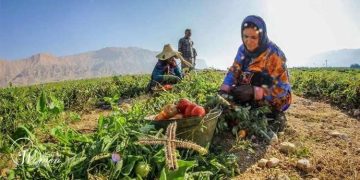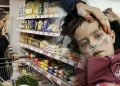

Poverty and malnutrition now affect workers, retirees, teachers, nurses and middle-class families. Rising living costs have pushed millions into deprivation.
Government-linked reports in 2026 cited over 262,000 children aged 5–59 months suffering malnutrition and more than 180,000 malnourished children under five. These figures cover only children identified by screening programs. Food-voucher eligibility reportedly rose from 72.5 million to 87.5 million.
Food inflation reportedly reached 127.5% in August 2026. Many families have cut meat, fruit and dairy; some buy bread on credit. Reports put the poverty line at 32 million tomans nationally and 62.5 million in Tehran, against a minimum wage of about 24 million for a married worker. Families borrow or sacrifice food, healthcare and education.
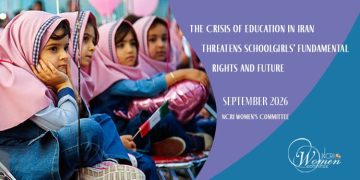
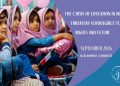
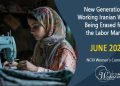
Women face discrimination, insecure work and unpaid caregiving. Women and girls aged 15 and older spend 22.5% of their time on unpaid care, compared with 4.5% for men. Children face malnutrition and lost educational opportunities; one report counted 919,855 children out of school.
The article argues that hunger reflects political choices. While families struggle to afford food and medicine, public resources support military, nuclear and missile programs. Food vouchers cannot ensure food security without policies prioritizing people.
Access to food, education and freedom from poverty are fundamental rights.