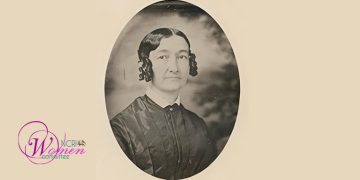


Františka Plamínková (5 February 1875 – 30 June 1942) stands among the most courageous champions of women’s rights in Central Europe — a teacher, journalist, suffrage leader, and senator who paid with her life for speaking out against authoritarianism. Her story is one of moral clarity, democratic conviction, and a relentless fight for gender equality in Czechoslovakia during one of the most turbulent periods of the 20th century.
Early life and education: a path toward activism
Born in Prague on 5 February 1875, Plamínková trained as a teacher at a time when marriage meant automatic dismissal from the profession. This injustice shaped her worldview. Her classroom became not only a space for education, but a seedbed for social awareness. She soon realized that meaningful change required political rights for women, not just goodwill.
Journalism and the rise of a public voice
Plamínková turned to journalism to reach a wider audience. Through articles, lectures, and public debate, she exposed discriminatory laws and called for universal suffrage, equal access to professions, and reform of marriage legislation. Her writing was clear, direct, and uncompromising — the tone of a woman who understood that half of society had been systematically silenced.

Founder, organizer, leader: building the Czech women’s movement
A strategist as much as an idealist, Františka Plamínková founded and led key organizations in the struggle for gender equality, including the Women’s National Council of Czechoslovakia. She worked across borders, building international alliances with feminist leaders in Europe and the United States.
Her efforts contributed to significant legal reforms following the establishment of Czechoslovakia in 1918, when women finally gained full voting rights. Plamínková believed democracy could not be real unless women had a voice within it.
From activist to senator
In 1925, she was elected to the Czechoslovak Senate, becoming one of the leading female politicians of the new republic. She fought for:
- marriage equality
- women’s employment rights
- access to education
- social protection for vulnerable families
She understood politics as public service — and used her position to translate feminist ideals into law.
Confronting tyranny: courage under Nazi occupation
After Nazi Germany occupied Czechoslovakia in 1939, Františka Plamínková refused to remain silent. She openly criticized totalitarianism and defended democratic values. Her activism and her public stance made her a target.
She was arrested, interrogated, and finally executed by the Nazis on 30 June 1942. Plamínková knew the risks — and continued anyway. Her death made her not only a feminist icon, but a symbol of Czech national resistance.
Legacy: a beacon for women’s rights and democracy
Today, Františka Plamínková is remembered as:
- a pioneer of Czech feminism
- an architect of women’s suffrage
- a parliamentarian devoted to social justice
- a martyr for freedom of speech and democracy
Schools, streets, and awards now bear her name, but her most powerful memorial remains the ongoing struggle for gender equality — a cause she advanced with intellect, determination, and rare personal bravery.