Amid a continuing crackdown following Iran’s nationwide protests, reports indicate that numerous medical staff and members of the medical community have been detained for providing treatment to injured demonstrators.
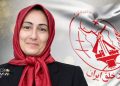
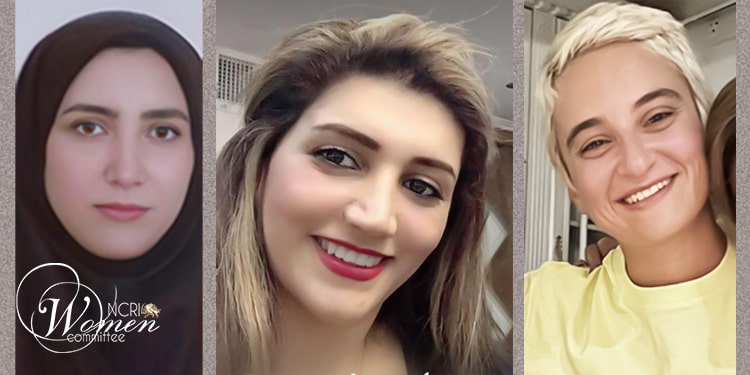
Shaida Riahi Chelvani, a physician at Seyed al-Shohada (Omid) Hospital in Isfahan, was arrested at her home by security forces on Friday, January 9, 2026.
On January 11, security forces raided the residence of Dr. Sarvnaz Amiri in Tehran, and took away this 30-year-old physician to an undisclosed location.
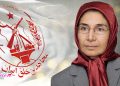
In a separate case, Fatemeh Afshari, an operating room technician at Atiyeh Hospital in Tehran and mother of an eight-year-old child, was arrested approximately two weeks ago. She has reportedly been denied contact with her family and access to basic information regarding her case.
At the time of publication, no official details have been released concerning the charges against these three individuals, their place of detention, or their legal status.
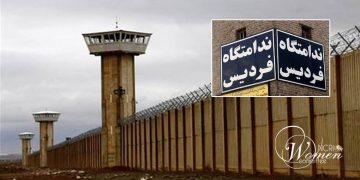
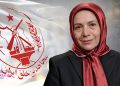
In another related case, 37-year-old emergency physician Golnar Naraghi has been in custody in Tehran since January 14, 2026. After two weeks without communication, she was transferred to Qarchak Prison in Varamin. No transparent information has been provided regarding her physical condition, detention circumstances, or judicial proceedings.
Official Admissions to the Detention of Medical Staff and Physicians
In the meantime, officials of the clerical regime have admitted the arrest and detention of doctors and medical staff in their public statements.
In an interview with the state-run daily Etemad on February 8, 2026, the head of the Iranian Medical Council has acknowledged that, despite the release of some detained doctors and medical staff, 17 members of the medical community, including physicians, dentists, pharmacists, and physiotherapists remain in custody.
According to Mohammad Raiszadeh, initial estimates placed the total number of detained medical professionals at over 50. The Medical Council ultimately followed up on 33 cases, of whom 17 remain imprisoned. He emphasized that the actual number is likely higher, as nurses and other paramedical staff fall outside the Council’s supervisory authority.
In a candid admission, Mohammad Sharifi-Moqaddam, Secretary-General of Iran’s House of Nurses, stated: “Nurses have been arrested in Isfahan, Tehran, and several other cities. That means the detentions did not occur only during those initial days but continued afterwards as well. For example, just last week, a nurse working in a home-care center was arrested. I do not know the exact reasons for these arrests and cannot comment on them. However, I emphasize that, in accordance with both legal and humanitarian duty, medical staff are obligated to provide care and assistance wherever they encounter an injured person, whether inside a hospital or outside of it. This is both a legal and a human obligation.” (Entekhab News Website, February 10, 2026)
These arrests occurred in the aftermath of the violent suppression of protests in January 2026 and are widely viewed as part of a deliberate policy aimed at obstructing medical treatment for injured protesters and preventing disclosure of the scale of violence used against demonstrators.