
Wednesday, August 5, 2026
  • English
  • Français
  • فارسی
  • عربى
PODCASTS
NCRI Women Committee Women Resistance Freedom
  • Home
  • NEWS
    • Women’s News
    • Articles
    • Statements
  • PUBLICATIONS
    • Monthlies
    • Documents
    • Reference Library
  • ABOUT US
    • The NCRI Women’s Committee
    • Gender Equality
    • Women’s Platform
  • MARYAM RAJAVI
    • Maryam Rajavi
    • Maryam Rajavi Speeches
    • The Plan on Women’s Rights and Freedoms
    • Ten-Point Plan for the future of Iran
  • VANGUARDS
    • The Fallen for Freedom
    • Heroines in Chain
    • Women of Iranian Resistance
    • Famous Women
    • Women in History
  • EVENTS
    • IWD Conferences
    • Activities
    • IWD Speeches
    • Solidarity
  • VIDEO
    • Videos
    • IWD Videos
  • PODCAST
  • DONATE
  • CONTACT US
No Result
View All Result
NCRI Women Committee Women Resistance Freedom
  • Home
  • NEWS
    • Women’s News
    • Articles
    • Statements
  • PUBLICATIONS
    • Monthlies
    • Documents
    • Reference Library
  • ABOUT US
    • The NCRI Women’s Committee
    • Gender Equality
    • Women’s Platform
  • MARYAM RAJAVI
    • Maryam Rajavi
    • Maryam Rajavi Speeches
    • The Plan on Women’s Rights and Freedoms
    • Ten-Point Plan for the future of Iran
  • VANGUARDS
    • The Fallen for Freedom
    • Heroines in Chain
    • Women of Iranian Resistance
    • Famous Women
    • Women in History
  • EVENTS
    • IWD Conferences
    • Activities
    • IWD Speeches
    • Solidarity
  • VIDEO
    • Videos
    • IWD Videos
  • PODCAST
  • DONATE
  • CONTACT US
No Result
View All Result
NCRI Women Committee
No Result
View All Result
Home Articles
The Silent Struggles of Women Migrants in Chabahar

The Silent Struggles of Women Migrants in Chabahar

The Silent Struggles of Women Migrants in Chabahar

May 24, 2025
in Articles

Unseen Hardships and Social Challenges in a Neglected Coastal Region of Iran

The Silent Struggles of Women Migrants in Chabahar: On the outskirts of Chabahar, a coastal city in Iran, the hidden scars of poverty, addiction, and environmental disaster are becoming increasingly visible. These hardships, which disproportionately affect rural migrants—especially women in search of a better life—have been worsened by chronic neglect and lack of oversight, giving rise to growing social and security challenges.

The following article is an abstract from a report published by the state-run ILNA news agency on March 23, 2025.

Migration to the City: From Rural Dreams to Urban Nightmares

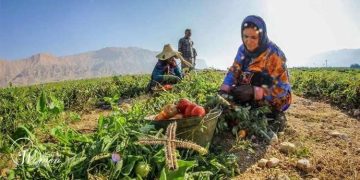
Chabahar, once viewed as a beacon of economic opportunity in Iran due to its position as the country’s only oceanic port, is now home to tens of thousands of rural migrants, many from the drought-stricken areas of Sistan and Baluchestan. Driven by the promise of better opportunities, these migrants have found themselves entrenched in poverty, struggling against a complex web of issues in the margins of the city.

The environmental crisis is at the heart of the migration issues in Chabahar. Many migrants have come from rural areas devastated by drought, where they once made a living through agriculture and animal husbandry. As water sources like springs and qanats dried up, they were forced to abandon their livelihoods and seek refuge in the cities.

However, the promises of a better life in Chabahar have often turned out to be false. The lack of planning and resources has made it nearly impossible for these rural migrants to find stable housing. Instead, they have turned to informal settlements where basic infrastructure is either nonexistent or poorly maintained. As a result, these areas remain trapped in a cycle of poverty and neglect, unable to escape the impact of the environmental crisis.

The Deepening Social Crisis in Overcrowded Slums

Chabahar’s outskirts, marked by slums and poorly constructed shelters, paint a grim picture of a system failing its people.

These informal settlements, housing nearly 70,000 migrants, suffer from overcrowded conditions, inadequate access to basic services, and a lack of effective infrastructure. With 65% of Chabahar’s population of 112,000 living below the poverty line, it is a city where social inequality is stark and inescapable.

Living in these overcrowded areas, many people endure lives overshadowed by drug addiction, with the presence of substances like heroin, methamphetamine, and crystal meth being all too common. Residents of these areas, including young people and women, are often caught in a cycle of addiction that takes a devastating toll on their health, families, and communities.

The social degradation in Chabahar’s slums is also accompanied by significant environmental health hazards.

Open sewage flows through the streets, making life unbearable for residents. Children play in these polluted environments, and their health is at risk from diseases linked to unsanitary living conditions. The lack of electricity, coupled with exposed electrical wires, only adds to the danger, turning these neighborhoods into a virtual minefield for residents.

The Silent Struggles of Women Migrants in Chabahar

The Struggles of Women in Chabahar’s Margins

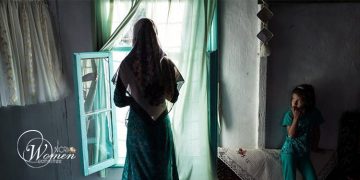
Among the most affected by these harsh conditions are the women of Chabahar. Starvation, illiteracy, and the social pressure of living in extreme poverty have left many women struggling to survive.

One example is Setareh, a 29-year-old woman who became the head of her household after her husband was involved in a tribal conflict and sentenced to death.

Setareh is left to care for her three-and-a-half-year-old daughter, who suffers from chronic illness. With no stable income, Setareh works multiple jobs, including cleaning houses and doing embroidery to make ends meet. Yet, even with these efforts, she can barely afford her rent, which is delayed month after month, leaving her with little hope for the future.

Her story is not unique. Thousands of women in Chabahar are facing similar struggles, caught between the despair of poverty and the harsh realities of living in a society where opportunities for women are limited, especially for those living in marginalized areas.

The Silent Struggles of Women Migrants in Chabahar

Government Oversight

The local government has been criticized for its failure to address the growing issue of informal settlements and the lack of adequate services for marginalized communities. Despite being aware of the severity of the problem, local officials have not implemented effective strategies to manage migration and integrate these new residents into the city’s urban fabric.

Some activists point out that the Ministry of Agriculture and local authorities have neglected the needs of farmers and pastoralists who have been affected by the ongoing drought. Instead of supporting these communities in their original homes by providing necessary resources, such as water for livestock and crops, many have been left without help, contributing to the urban migration crisis in Chabahar.

The lack of planning for new migrants has led to a dramatic rise in unemployment, crime, and drug addiction, which has exacerbated social instability. Without proper oversight or investment in sustainable development, Chabahar’s peripheral areas are becoming increasingly difficult to manage, creating a volatile situation that threatens the city’s future.

The Silent Struggles of Women Migrants in Chabahar

The Need for Fundamental Change

The situation in Chabahar, like in many other cities across Iran, underscores a tragic reality: the Iranian regime’s negligence and mismanagement have left countless citizens, particularly the rural poor, trapped in a cycle of poverty, displacement, and despair.

The regime’s failure to address the root causes of migration—drought, economic collapse, and environmental destruction—has only worsened the conditions for migrants who seek better lives in urban centers like Chabahar.

The regime’s tight grip on power, focused on maintaining control rather than improving the lives of its citizens, has led to an unsustainable and dangerous situation for millions of Iranians.

The very system that has created and exacerbated the suffering of people in Chabahar—and across Iran—will not fix itself. The only way for the people of Chabahar and Iran to prosper, to escape the chokehold of poverty, violence, and environmental destruction, is for the regime to be dismantled and replaced with a government that truly serves the people, respects their dignity, and prioritizes sustainable development and social justice.

The people of Chabahar deserve a future where their hard work and resilience can lead to real prosperity, not a life of exploitation and neglect. Until the Iranian regime is held accountable for its actions and replaced by a government that puts the needs of its people first, this cycle of suffering will continue.
Tags: PovertyWomen Heads of Household
ShareTweetPinShareSendShareShare

Related Posts

The Hidden Victimization and Exploitation of Widows in Iran

July 23, 2026
The Hidden Victimization and Exploitation of Widows in Iran

Exploitation of widows in Iran Introduction: The survival of the mullahs' regime rests on two fundamental pillars: overt suppression in society and institutionalized misogyny within its laws. The...

Read moreDetails

Erased After Loss: The Untold Story of Widows in Iran

July 21, 2026
The Untold Story of Widows in Iran

Inside Iranian Regime's System of Discrimination Against Widows Welcome to another episode of podcasts of the Women's Committee of the National Council of Resistance of Iran. Imagine waking...

Read moreDetails

Widows in Iran: An Analysis of Legal Challenges and the Structure of Discrimination

July 17, 2026
Widows in Iran: An Analysis of Legal Challenges and the Structure of Discrimination

Introduction: In the political and legal structure governing Iran, misogyny and gender discrimination have been institutionalized as a fundamental principle, heavily impacting the fabric of family and society....

Read moreDetails

The Ineffectiveness of Population Policies in Iran: Economy, Aging, and the Overlooked Rights of Women

July 10, 2026
The Ineffectiveness of Population Policies in Iran: Economy, Aging, and the Overlooked Rights of Women

Abstract: A compilation of official data, media reports, and disclosures published in April, May, and June 2026 demonstrates that Iran is grappling with a multi-layered demographic crisis. This...

Read moreDetails

Iran’s Escalating Water Crisis: Energy Imbalance, Popular Protests, and the Role of Women

June 19, 2026
Iran's Water Crisis: Energy Imbalance, Popular Protests, and the Role of Women- Part 2

The water crisis in Iran has transcended a mere natural challenge, evolving into a human, environmental, and economic catastrophe. While the regime has for years attempted to attribute...

Read moreDetails
Next Post
Sakineh Parvaneh, Political Prisoner in Evin Prison, Denied Phone Calls for Over Nine Months

Sakineh Parvaneh, Political Prisoner in Evin Prison, Denied Phone Calls for Over Nine Months

Documents

Call for Immediate Action to Halt the Death Sentence of Arghavan Fallahi

Sign our Statement to Halt the Death Sentence of 25-Year-Old Political Prisoner Arghavan Fallahi

July 10, 2026

Statement Calling for Immediate Action to Halt the Death Sentence of 25-Year-Old Political Prisoner Arghavan Fallahi We express our profound...

The Ineffectiveness of Population Policies in Iran: Economy, Aging, and the Overlooked Rights of Women

The Ineffectiveness of Population Policies in Iran: Economy, Aging, and the Overlooked Rights of Women

July 10, 2026

Abstract: A compilation of official data, media reports, and disclosures published in April, May, and June 2026 demonstrates that Iran...

Crushed by Design: Structural Crises and Inequitable Policies Push Female-Headed Households to the Edge

Crushed by Design: Structural Crises and Inequitable Policies Push Female-Headed Households to the Edge

May 18, 2026

Introduction Life for the Iranian people under the religious dictatorship is fraught with hardship and peril from every perspective. Whether...

Monthlies

July 2026 Report: Death Sentences for Women Rising Up to Overthrow the Mullahs' Regime
Monthlies

July 2026 Report: Death Sentences for Women Rising Up to Overthrow the Mullahs’ Regime

July 31, 2026
June 2026 Report: Working Iranian Women Erased from Labor Market
Monthlies

June 2026 Report: Working Iranian Women Erased from Labor Market

July 5, 2026
May 2026 Report: The Enduring Resistance of Iranian Women
Monthlies

May 2026 Report: The Enduring Resistance of Iranian Women

May 31, 2026
April 2026 Report: Mass Arrests of Women: Targeted Repression in Time of Crisis
Monthlies

April 2026 Report: Mass Arrests of Women in Iran

April 30, 2026

Articles

The 1988 Massacre: The Greatest Unpunished Crime Against Humanity

The 1988 Massacre: The Greatest Unpunished Crime Against Humanity

July 28, 2026

The Glorious Epic of Resistance by PMOI Women in the Anti-Human Clerical Regime's Prisons The massacre of over 30,000 political...

The Hidden Victimization and Exploitation of Widows in Iran

The Hidden Victimization and Exploitation of Widows in Iran

July 23, 2026

Exploitation of widows in Iran Introduction: The survival of the mullahs' regime rests on two fundamental pillars: overt suppression in...

Widows in Iran: An Analysis of Legal Challenges and the Structure of Discrimination

Widows in Iran: An Analysis of Legal Challenges and the Structure of Discrimination

July 17, 2026

Introduction: In the political and legal structure governing Iran, misogyny and gender discrimination have been institutionalized as a fundamental principle,...

The Fallen for Freedom

Shiva Bordbar Javid
The Fallen for Freedom

Shiva Bordbar Javid

August 4, 2026
Fatemeh Alizadeh, a 28-year-old pregnant woman
The Fallen for Freedom

Fatemeh Alizadeh

July 29, 2026
Sahar Bayat was killed on January 8, 2026
The Fallen for Freedom

Sahar Bayat

July 23, 2026
Saba Negahban, known as "Venus," was killed on Friday, January 9, 2026, by direct fire from the regime’s suppressive forces
The Fallen for Freedom

Saba Negahban

July 22, 2026

ABOUT US

NCRI Women Committee

We work extensively with Iranian women outside the country and maintain a permanent contact with women inside Iran. The Women’s Committee is actively involved with many women’s rights organizations and NGO’s and the Iranian diaspora.
The committee is a major source of much of the information received from inside Iran with regards to women. Attending UN Human Rights Council meetings and other international or regional conferences on women’s issues and engaging in a relentless battle against the Iranian regime’s misogyny are part of the activities of members and associates of the committee.

CATEGORIES

  • Activities
  • Articles
  • Documents
  • Famous Women
  • Heroines in Chain
  • IWD Conferences
  • IWD Speeches
  • IWD Videos
  • Maryam Rajavi
  • Maryam Rajavi Speeches
  • Monthlies
  • Podcast
  • Reference Library
  • Solidarity
  • Statements
  • The Fallen for Freedom
  • Videos
  • Women in History
  • Women in Leadership
  • Women of Iranian Resistance
  • Women's News

BROWSE BY TAG

Child marriage coronavirus education execution forced hijab Gender Gap Generation Equality Honor killings Iran Teachers Maryam Akbari Monfared Nurses Plan on Women's Rights and Freedoms Poverty Prisoners Protests rural women Saba Kord Afshari The girl child Violence against women Women's Leadership Women Heads of Household Zeinab Jalalian

The copyright of all the material published on this website has been registered under © 2016 the Women’s Committee of the National Council of Resistance of Iran. To obtain permission to copy, redistribute or publish the material published on this website, you should write to the NCRI Women’s Committee. Please include the link of the original article on our website, women.ncr-iran.org.

Welcome Back!

Login to your account below

Forgotten Password?

Retrieve your password

Please enter your username or email address to reset your password.

Log In

Add New Playlist

No Result
View All Result
  • Home
  • News
    • Women’s News
    • Articles
    • Statements
  • Publications
    • Monthlies
    • Documents
    • Reference Library
  • About Us
    • The NCRI Women’s Committee
    • Gender Equality
    • Women’s Platform
  • Maryam Rajavi
    • Maryam Rajavi
    • Maryam Rajavi Speeches
    • Ten Point Plan for Iran
    • The Plan on Women’s Rights and Freedoms
  • Vanguards
    • The Fallen for Freedom
    • Heroines in Chain
    • Women of Iranian Resistance
    • Famous Women
    • Women in History
  • Events
    • IWD Conferences
    • Activities
    • IWD Speeches
    • Solidarity
  • Video
    • Videos
    • IWD Videos
  • Podcast
  • DONATE
  • Contact us
  • فارسی
  • عربی
  • Français

The copyright of all the material published on this website has been registered under © 2016 the Women’s Committee of the National Council of Resistance of Iran. To obtain permission to copy, redistribute or publish the material published on this website, you should write to the NCRI Women’s Committee. Please include the link of the original article on our website, women.ncr-iran.org.