

In the aftermath of the nationwide protests in January 2026, schools across Iran have reportedly become sites of heightened security presence and ideological scrutiny. Educational institutions are increasingly hosting individuals outside the formal teaching staff, tasked with interrogating students and exerting pressure on them regarding their political and social views.
According to a report compiled by the Teachers’ Coordination Council, based on testimonies from teachers, parents, and students across multiple provinces, members of the Basij militia, plainclothes security agents, and religious preachers have entered schools under what appears to be a centrally coordinated and premeditated plan. These actors are reportedly conducting targeted question-and-answer sessions with students, designed to assess and monitor their beliefs and potential involvement in recent protests.
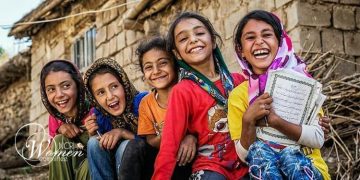
This project of “ideological vetting” has imposed significant psychological pressure on students. Many reportedly feel they are under constant surveillance. For those who were subjected to violence during the protests, the atmosphere inside schools has compounded existing trauma, creating an environment of intensified psychological distress.
These measures, which appear to be systematic and nationwide in scope, have led to a growing disengagement from school life. Students are increasingly alienated from the educational environment, losing trust in teachers and administrative staff. Many feel they have been transformed from pupils into “security subjects” within an apparatus of state control.

Mohammad Habibi, a member of the Teachers’ Trade Association Council, has announced that the number of students killed during the nationwide protests in January 2026 has reached 200.
The ruling establishment under Ali Khamenei, widely criticized for prioritizing regime preservation above all else, has effectively securitized schools, much like universities, hospitals, and government offices, transforming them into controlled environments incompatible with the developmental, educational, and psychological needs of children.
These developments serve as further evidence of the regime’s illegitimacy within Iranian society. The international community, by recognizing the Iranian people’s struggle, particularly the resistance of youths against this repressive regime, can play a role in addressing and ultimately ending this climate of intimidation and control.