
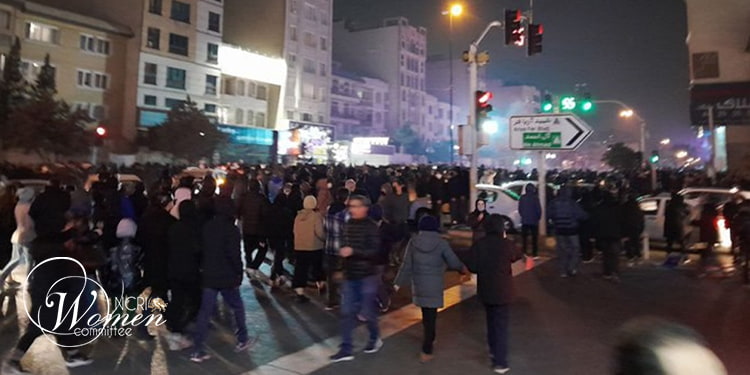
As the crackdown on popular protests intensifies, incoming reports about those detained during Iran’s nationwide uprising point to systematic pressure and widespread, organized violations of detainees’ most basic rights.
These violations include the mass detention of protesters without minimum humane standards, confinement in isolated wards without access to family contact or legal counsel, failure to register detainees’ names in official systems, and the denial of medical care to the injured.
In many cases, the number of detainees far exceeds the capacity of detention facilities. Severe overcrowding has forced many prisoners to sleep on the floor without blankets or heating equipment. Prison capacity has been fully exhausted, and prison authorities have resorted to mass, hasty, and unlawful transfers to make room for newly arrested individuals.
Failure to Register Detainees’ Names: Facilitating Extrajudicial Abuses
One of the most alarming aspects of these reports is the failure to register the names of large numbers of detained protesters in official prison databases.
According to informed sources, the personal details of these individuals are deliberately withheld from the judicial system to prevent legal follow-up, block family contact, and even obscure their place of detention. As a result, no official body formally accepts legal responsibility for holding them.
This practice gives security agencies broad latitude to carry out extrajudicial actions, impose forced confessions, and even subject detainees to enforced disappearance.
Women’s Ward of Evin Prison: Overcrowding, Uncertainty, and Constant Pressure
Early reports at the outset of the uprising indicated that detained women were transferred to the women’s ward of Evin Prison, a ward that had already been widely reported as having extremely inhumane conditions for political prisoners.
According to sources inside the prison, more than 80 women protesters have now been transferred to this ward. Detainees are summoned for interrogation almost daily, yet some do not return to the ward, and no information is available regarding their whereabouts or their physical and psychological condition. Their families remain in complete uncertainty and receive no clear answers from prison authorities.
Severe overcrowding in the women’s ward has forced prisoners to take turns sleeping on the floor and has deprived them of even the most basic facilities. Some detainees have gone days without access to clean clothes or essential personal items, and repeated requests for basic supplies have gone unanswered.
Overcrowding of Women’s Ward of Adelabad Prison, Shiraz
Around 150 women and girls arrested during the protests have been transferred to the political women’s ward of Adelabad Prison in Shiraz. Reports indicate that most of these detainees are high school students.
The political women’s ward of Shiraz Prison has space and facilities for only about 30 people. Due to this severe overcrowding, some political prisoners have been moved to other wards housing inmates accused of murder, theft, and drug-related offenses.
Quarantine Unit 2 of Qezel Hesar Prison: Sleeping on the Floor in Winter Cold
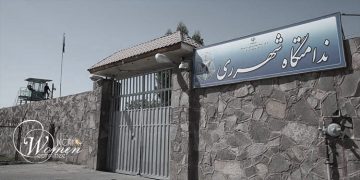
Multiple reports indicate that hundreds of detained protesters have been transferred to Qezel Hesar Prison. They are being held in “Quarantine Unit 2,” an isolated section completely separated from other wards and deliberately designed to prevent any contact, observation, or independent reporting on detainees’ conditions.
Detainees are held in this unit without official registration of their names and without access to even the most basic legal rights. According to reports, around 500 protesters have been transferred to this quarantine unit, despite its capacity of only 180 beds. As a result, many prisoners are forced to sleep on the floor in winter cold, without blankets, mattresses, or basic necessities.
The lack of adequate space, absence of hot water, shortage of heating equipment, and lack of health and sanitation services pose a serious threat to the health and lives of detainees. Some individuals sustained severe injuries during arrest or transfer to prison, yet no effective medical treatment has been provided.
Since the beginning of last week, special anti-riot forces have been stationed within the quarantine area of this prison and remain on 24-hour standby, creating an atmosphere of intense fear and intimidation among detainees.
Karaj Central Prison: Compressed Detention and Deprivation of Basic Rights
According to reports, between 800 and 1,200 detainees from the nationwide protests have been densely housed in Hall 2 of Karaj Central Prison as well as in a sports warehouse. Even the prison’s outdoor exercise area has been converted into a detention space, effectively depriving detainees of fresh air, outdoor access, and minimal physical movement.
Denial of Medical Care: A Direct Threat to Prisoners’ Lives
A significant number of detainees have been transferred to prison bearing injuries caused by beatings, pellet gun fire, and batons. However, their transfer to specialized medical centers has been prevented. In some cases, only rudimentary and substandard first aid has been provided, leaving injured prisoners to fend for themselves—a situation that can lead to infection, permanent disability, or even death.
Reports also indicate the deaths of two injured teenagers in the infirmary of Shiraz Prison due to severe bleeding and the lack of medical facilities. According to these accounts, medical staff had been instructed to refrain from providing effective treatment to the injured.
The Triad of Repression: Mass Arrests, Torture, and Internet Shutdowns
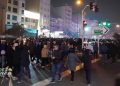
The People’s Mojahedin Organization of Iran (PMOI/MEK) announced on January 15, 2026 that more than 50,000 people were arrested during the nationwide uprising between December 28 and January 14. Among those detained are individuals under the age of 18, who are considered children under international law.
Alongside these mass arrests, the intensification of torture, pressure to extract forced confessions, and deprivation of basic rights has heightened concerns about the issuance of severe sentences, including the death penalty.
Amid widespread internet shutdowns and communication blackouts, limited accounts from families and witnesses indicate that similar patterns are unfolding in prisons across the country: denial of contact and visitation, lack of medical services, severe overcrowding, and obstruction of access to independent lawyers. Families have been told they may only use lawyers approved by the judiciary.
Taken together, this body of evidence paints a deeply alarming picture of systematic and organized human rights violations in Iran’s prisons during the suppression of nationwide protests, a situation that demands an urgent response from international bodies and human rights organizations.