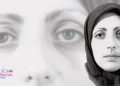
Partial list of women detained during the nationwide uprising
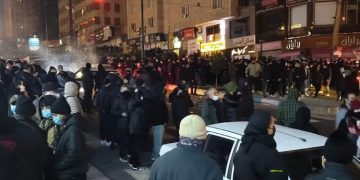
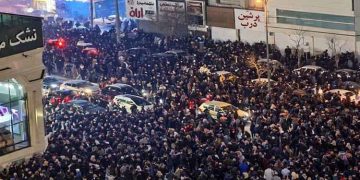
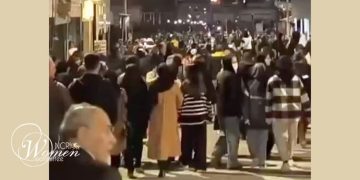
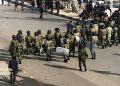
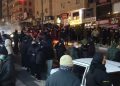
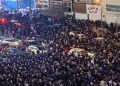
The People’s Mojahedin Organization of Iran (PMOI/MEK) announced today, January 12, that the death toll during the nationwide uprising between December 28, 2025, and January 11, 2026, had exceeded 3,000 across Iran.
This figure is based on cross-checking and verification of information collected from local sources, hospitals, forensic medicine centers, and the families of those killed or forcibly disappeared in at least 195 cities nationwide.
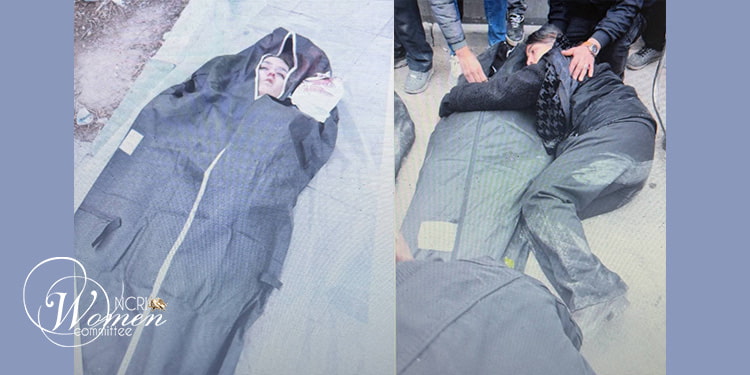
The clerical regime was forced to broadcast the bodies of some of the victims on state television, while falsely attributing their killings to opposition forces and protesters. Maryam Rajavi described the mass killing of demonstrators as “a major crime against humanity.”
Among the women killed during the nationwide uprising whose identities have been confirmed are Akram Peargazi, Robina Aminian, Aida Heydari, and Zahra Bohlouli-pour.
Aida Heydari, 21, a student at Tehran University of Medical Sciences, was shot dead by security forces on January 8, 2026, at Sadeghieh Square in Tehran.
Zahra Behlouli-Pour, 19, a student of Italian language at the University of Tehran, was also killed by gunfire from regime forces on the same day on Fatemi Street in Tehran.
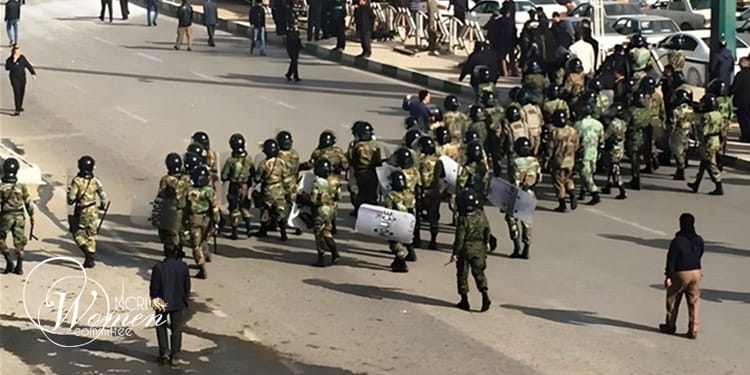
Repression Ordered from the Apex of Power
On January 9, 2026, Ali Khamenei used explicit and incendiary language to label protesters as “saboteurs” and “mercenaries,” declaring that the state “will not back down in the face of them.” From the perspective of international law, this statement constitutes a de facto official green light for the use of lethal force against civilian gatherings. It directly assigns responsibility for any ensuing mass killings to the highest authority of the clerical regime.
Internet Shutdown: A Security Cover for Repression
Simultaneously with this speech, internet access across Iran was cut. Technical reports confirm a widespread disruption of international connectivity. Past precedents, most notably the November 2019 crackdown, demonstrate that internet shutdowns are not technical measures but security tools designed to prevent documentation and dissemination of evidence of street-level repression and killings.
Depriving the population of communications has also disrupted access to medical assistance for the injured and prevented families from obtaining information about detained relatives. These actions constitute grave violations of the right to life and amount to collective psychological torture.
Alarm Over Accelerated Executions
Alongside the intensification of street repression, directives issued by the head of the Iranian judiciary calling for the “swift and decisive prosecution” of protesters have raised serious concerns over the risk of extrajudicial and expedited executions.
For example, the family of Erfan Soltani, 26, who was arrested on January 8 in Fardis, Karaj, have been informed that he has been sentenced to death and that the execution is scheduled for January 14. This is even though the duration of his detention, the speed of the proceedings, and the regime’s claimed trial process bear no resemblance whatsoever to any recognized standards of due process or a fair judicial procedure.
The Human Toll of the Crackdown
According to human rights reports, between December 30, 2025, and January 9, 2026, at least 3,200 individuals were arrested across 80 cities, figures that reflect only verified cases. Among the detainees there are at least 59 children and adolescents under the age of 18. Some sources estimate the number of detainees to be more than 10,000.
As of January 9, 2026, all prison telephone lines across Iran have been completely cut. Since that date, none of the prisoners or detainees have been allowed to contact their families.
Reports from inside the prisons indicate that the measure was implemented nationwide and without prior notice, affecting all wards, particularly those holding political prisoners.
Warning to the International Community
The internet shutdown amid Iran’s nationwide uprising must not become a license to commit crimes in silence. Immediate referral of Iran’s dossier to the UN Security Council, the deployment of independent international fact-finding missions, guaranteed unrestricted access to the internet, and the prosecution of those responsible for ordering and carrying out repression under the principle of universal jurisdiction are among the urgent demands raised by the Iranian people and Resistance.
In a statement on January 10, in Geneva, the United Nations Fact-Finding Mission, expressing grave concern over the escalation of violence against protesters, called on the Iranian regime to immediately end the suppression of protests, fully restore internet and mobile communications, and respect citizens’ fundamental rights, including the right to peaceful protest.
A Partial List of Women Detained during Iran’s Nationwide Uprising
- Isfahan: Mahshad Keshani
- Amlash: Sahar Abdollahzadeh, Fatemeh Mohammadzadeh, Zahra Heidari
- Ilam: Mohaddeseh Razzazadeh
- Bojnord: Sonia Zolfaghari
- Tehran: Elnaz Kari, Negar Ghanbari, Helena Rostami, Masoumeh Nouri, Fatemeh Hashempour, Aida (surname unknown), Mahsa Zarei, Mahnaz Ghasemi, Sogand Mansouri
- Torbat-e Heydariyeh: Sara Askaryan
- Khorramabad: Zahra Nasiri
- Rasht: Mahsa Basirtavana
- Zanjan: Sahar Rezadoust
- Sabzevar: Saba Mahroumi, Zahra Mahdavi, Nazanin Zahra Mousavi, Fatemeh Hataminejad
- Sonqor: Bahar Rafiei, Asal Begvand, Fa’ezeh Shemaili
- Qazvin: Souri Babaei-Cheginni
- Gachsaran: Nazgol Mohammadi, Mahshid Mousavi-Pour, Mehraneh Mousavi-Pour
- Mashhad: Yekta Darzadeh, Raheleh Zardkouhi, Saha Davoudifar, Hasti Karimi, Hasti Ghorbani
- Yasuj: Razieh Khahesh, Neda Gerami, Sara Rahmati, Elaheh Hosseinnejad, Samira Karimi, Mojgan Forouzan, Mohaddeseh Mohammadi, Shahla Ansarian, Sanaz Davoudi, Anahita Hekmatnia, Zohreh Darman, Yalda Pajmani, Shahreh Nik-Eghbal, Ainaz Parvaneh, Farnoush Azar, Shaghayegh Zahedi, Hadis Sheibaz, Elham Siavashi, Zahra Darfarin, Yalda Pajvani, Ghazal Hamzeh-Amleh, Zahra Izadi-Nia, Neda Gerami-Manesh, Shima Khorshidian, Parisa Mohammadi, Samira Karimi-Pour
- Yazd: Sara Nosrati