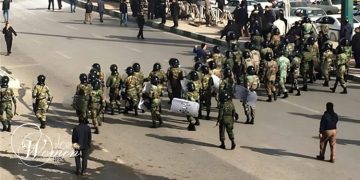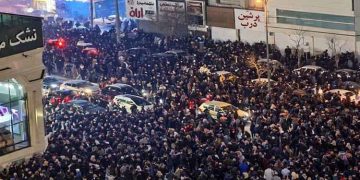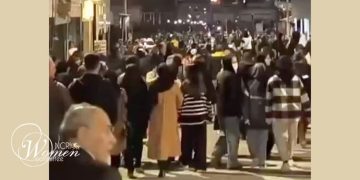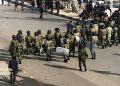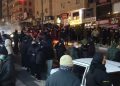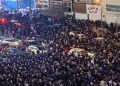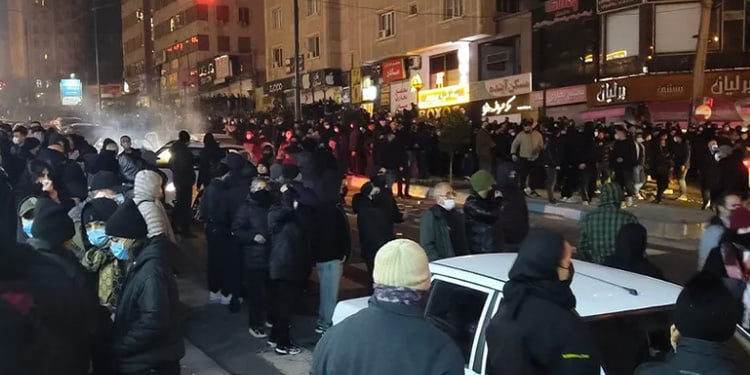
On Saturday night, January 10, 2026, the fourteenth day of Iran’s nationwide uprising, dozens of cities across the country witnessed widespread popular protests and direct confrontations with security forces.
Demonstrators chanted slogans such as “Death to the dictator,” “Death to Khamenei,” “Death to the oppressor, be it the Shah or the (mullahs’) Leader,” and “Bullets, tanks, fireworks—mullahs must disappear,” signaling their determination to move beyond authoritarian rule.
According to reports, the nationwide uprising has so far spread to some 200 cities across Iran and more than 120 locations in Tehran alone. Simultaneously, widespread internet shutdowns, the mass transfer of wounded protesters to hospitals, and numerous reports of security forces using live ammunition have underscored the scale and intensity of the violence employed by the authorities.
In addition to Tehran, cities including Kermanshah, Gilan-e Gharb, Rasht, Isfahan, Qorveh, Mashhad, Shiraz, Kazerun, Tabriz, Urmia, Qom, Qazvin, Sanandaj, Izeh, Hamedan, Ahvaz, Karaj, Gonbad-e Kavus, Quchan, Kerman, and Saqqez have witnessed extensive clashes between protesters, particularly young people, and security forces. In Tehran, young demonstrators resisted security force assaults in at least 30 locations.
In Karaj, Banafsheh Boulevard and Phase 3 of Andisheh saw large crowds chanting anti-government slogans.
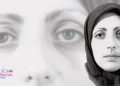
Reports indicate that women played a prominent role in the fourteenth night protests, a presence evident both in the ranks of protests and in the human cost they have borne.
In Tehran and other cities, the number of protesters, with significant participation by women, has been reported as exceeding that of previous movements. Across several provinces, including Kurdistan and at least 12 others, bazaar strikes continue, while reports point to street battles in some 200 cities.
In response to the expanding uprising, the ruling establishment has resorted to internet shutdowns, intensified repression, and threats of judicial action.
IRGC-affiliated official Ali Larijani has acknowledged the killing and injury of “a number of ordinary citizens,” while simultaneously announcing a “decisive action” against detainees.

Another Young Woman Is Killed by Security Forces
The human toll of the crackdown is further revealed through harrowing family testimonies.
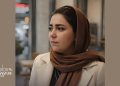
Robina Aminian, a 22-year-old art student, was shot at close range from behind on the evening of January 8, while leaving the university and was killed. Her family, who traveled from Kermanshah to Tehran, faced security obstacles in identifying and retrieving her body. According to relatives, the facility holding the bodies contained more than one hundred corpses of young people, mostly aged between 18 and 22.
Ultimately, Robina’s family was forced to transfer her body unofficially. Upon returning, they encountered a security siege of their home and were prevented from holding a funeral. Under intense security pressure, the young student was finally buried without any ceremony on the road between Kermanshah and Kamyaran.
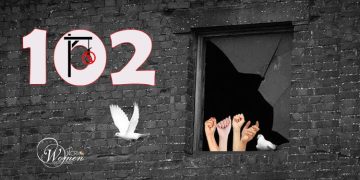
As of now, the identities of 63 people killed in the nationwide uprising have been confirmed by the Iranian Resistance. However, due to internet shutdowns and the heavy security environment, the actual death toll is believed to be significantly higher.
A report by a Tehran-based physician, cited by Time magazine, confirms that at least 217 protest-related deaths, most caused by live ammunition, were recorded in just six hospitals in the capital.
Despite the bloody crackdown, Iran’s nationwide uprising continues, driven by the decisive presence of women and youth. Their sustained participation underscores that the society’s demands for freedom and equality persist beyond the reach of repression and coercion.