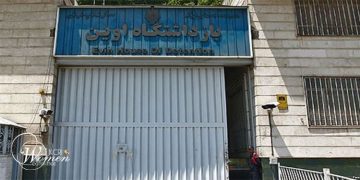


At least 60 women political prisoners are being held in alarmingly inhumane conditions in an underground ward of Evin Prison in Tehran, according to multiple reports and testimonies from inside Iran.
The prisoners have been transferred to a damp basement located approximately 40 steps below ground, where conditions are described as catastrophic and pose serious risks to their physical and mental health.
Underground Detention in Unsanitary Conditions
The women political prisoners are currently confined in a severely unhygienic, poorly ventilated basement space and are deprived of the most basic standards of sanitation, welfare, and personal hygiene. Prisoners report that both corridors and cells are heavily contaminated. A persistent and dangerous infestation of rats and other vermin has been reported, with estimates indicating the presence of up to 100 rats in the ward.
Despite repeated warnings, prison authorities have failed to carry out pest control, sanitation, or cleaning measures. This negligence significantly heightens the risk of infectious disease outbreaks and serious health consequences for detainees.
Prolonged Confinement and Health Risks
According to the reports, the doors of the ward are frequently kept locked for extended periods, leaving prisoners confined in enclosed spaces for long hours without adequate access to fresh air. Such conditions are particularly harmful to elderly prisoners and those suffering from chronic illnesses, increasing the risk of physical deterioration, psychological distress, and the exacerbation of existing medical conditions.
Systematic Denial of Medical Care
Women political prisoners in the women’s ward of Evin Prison are also being denied even minimal medical services. Access to specialist doctors, essential medications, and transfers to hospitals outside prison has been severely restricted. In many documented cases, prisoners’ requests for medical attention have been ignored altogether.
This pattern of medical neglect places elderly and ill prisoners at acute risk, as they require continuous monitoring, specialized treatment, and supportive care that is entirely absent under current conditions.
Ignored Warnings and Official Inaction
Repeated appeals and warnings issued by women political prisoners and their families have so far received no response from prison authorities. The continued failure to address these conditions reflects a broader pattern of official indifference to the health and safety of political detainees.
Transfer from Qarchak Prison and Escalation of Abuse
In the early hours of October 9, 2025, dozens of women political prisoners were transferred from Qarchak Prison to Evin. This transfer was initially presented to families as a measure to improve conditions. In practice, however, it has resulted in significantly harsher treatment, intensified pressure, and worsening living conditions for the prisoners.
Violations of International Human Rights Standards and Call for Action
The detention of women political prisoners in unsanitary, overcrowded underground facilities, combined with the systematic denial of medical care, hygiene, and access to fresh air, constitutes a clear violation of international human rights law. These practices contravene the UN Standard Minimum Rules for the Treatment of Prisoners (the Nelson Mandela Rules) and may amount to cruel, inhuman, or degrading treatment.
The Women’s Committee of the National Council of Resistance of Iran calls for immediate independent monitoring of detention conditions by international human rights mechanisms, and accountability for officials responsible for these violations.
The situation of women political prisoners in Evin Prison requires immediate attention and intervention to prevent irreversible harm and potential loss of life.