

Rana Faraj Oghli, 24 years old Turk woman and victim of child marriage, was executed at dawn on Wednesday, December 3, 2025, in the Central Prison of Tabriz.
Rana Faraj Oghli was arrested two years ago on charges of allegedly killing her husband and was sentenced to death following a judicial process that lacked basic guarantees of a fair trial, according to Iran’s judicial system’s own records.
Forced into marriage at the age of 16 to a man 19 years her senior under family pressure, she endured years of domestic violence and relentless coercion.
In court, she stated that she did not even require a lawyer, insisting that her only demand was “to be freed from a life that was like death.”
Despite the execution having already taken place, news of her execution had not been reported by any state-controlled media outlets, including those affiliated with the Iranian judiciary, at the time of this publication.
Iran, the world record holder in executing women
With the execution of Rana Faraj Oghli in the Central Prison of Tabriz, the number of women executed in Iran since the beginning of 2025 has reached 57, marking an unprecedented record in the execution of women in Iran.
In the entire 2024, 34 women were executed across the country.
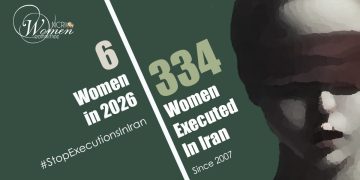
According to data recorded by the Women’s Committee of the National Council of Resistance of Iran, at least 320 women have been executed in Iran since 2007.
In the Iranian calendar Year 1403, at least 38 women were executed in Iran, marking a disturbing 90% increase compared to the previous year.
Many of the women executed by the Iranian regime are themselves victims of domestic violence and discriminatory family laws. A significant number have acted in self-defense.
Since Masoud Pezeshkian took office, the clerical regime has executed more than 2,600 prisoners.
Silence and inaction in the face of the murderers of the Iranian people fuel terrorism, suppression, and warmongering. The regime of execution and terror must be shunned by the international community, and its dossier of human rights violations must be referred to the United Nations Security Council.