Professor, Department of Public Law, University of Cape Town, South Africa
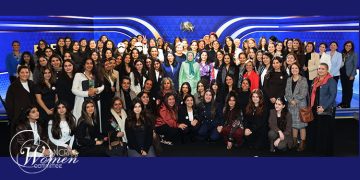
Remarks at the IWD gathering, “Pledge for Parity: Women United against Fundamentalism”
February 27, 2016 – Paris
Distinguished delegates, colleagues and friends,
It is an honour for me to address you today and I would like to thank the sponsors and most importantly the organisers, the NCRI Women’s Committee for inviting me to participate in this conference.
I served as the UN Special Rapporteur on violence against women, its causes and consequences from 2009 to 2015. Holding this position over the past six years has been a privilege, as it has allowed me a global overview of the issue of violence against women. Unfortunately, it has been humanly impossible to examine and reflect on all manifestations in all geographic locations, in my quest to render visible the invisible, and to push the conceptual understandings on violence against women, its causes and consequences. I am extremely grateful to all of you for the work that you do, and I thank you for the contributions you make in working towards the elimination of violence against women. Today I would like to focus on highlighting the impact of violence against women on the effective exercise of citizenship.
Under international human rights law, States have an affirmative obligation to respect, protect and fulfil human rights, including by fulfilling their responsibility to act with due diligence to eliminate violence against women. Elimination of violence against women is critical to women’s ability to participate as full and equal citizens. Unfortunately, pervasive levels of violence fundamentally jeopardize the realization of women’s right to a life free of violence, and the right to participate fully in their families, communities and their countries.
Violence against women is acknowledged as a pervasive and severe violation of human rights, resulting in women’s civil, political, social, cultural, economic and development rights violations. An often-overlooked impact of violence against women is the role it plays in obstructing the realization of women’s citizenship rights. Viewing violence against women through the citizenship framework emphasizes women’s participation and agency, thereby highlighting the importance of women participating as full citizens. It also exposes the role that gender-based violence plays in impeding women’s realization of a broad range of human rights that are essential to the exercise of full participatory citizenship; and it emphasizes the need for States to fulfil their responsibilities for preventing and responding to violence against women and girls, whether it occurs in the public or private sphere.
Civil and political rights
Violence violates women’s rights to equality and non-discrimination on the basis of their sex and gender; to liberty and security of the person; and the right not to be subjected to torture, cruel or inhuman or degrading treatment or punishment, among others. Violence also impedes women’s right to equality and non-discrimination within the family. The experience or threat of violence makes many women reluctant to leave their homes, which deprives them of their rights to take part in the political, economic, social and cultural life of their community. This in turn precludes women from exercising their right to vote and hold public office, to work, to education, to their right to a secure livelihood, to access to justice and their right to health, among other rights.
The right to life is broadly recognized in international law. Despite this, the prevalence of violence against women resulting in death has grown to alarming proportions. Globally, up to 38 % of all murders of women are committed by intimate partners. Reports suggest that in some countries, between 40 and 70 % of all female victims were killed by a former or current intimate partner. Another threat to women’s life is found in the violence that occurs in the context of armed conflict. During armed conflict, women are killed as strategic targets for the purpose of terrorizing civilian populations. Additionally, women human rights defenders are often the targets of politically motivated killings, whether during protests, conflicts, transitions or through the use of the death penalty.
Gender-based violence negatively affects the right to be free from slavery and servitude. The international community has recognized that trafficking also includes forced sexual labour purposes, including within the sex trade, in the form of forced marriage and other slavery-like practices. The trafficking of women is often accomplished by the threat or use of violence against women, including physical, sexual, psychological and economic violence. Forced marriages, whether coerced through kidnapping, physical and/or sexual violence, is a means of forcing women into unwanted and unequal marriages, and into a life of servitude.
The international community has acknowledged that certain manifestations of violence against women are a form of torture, for example rape which is often used as a means of control that meets all of the criteria for torture. Other manifestations of violence against women constituting torture or cruel, inhuman or degrading treatment include forced sterilization, forced abortion, and female genital cutting.
Due process rights are recognized under international law, but in practice are often not extended to women who are victims of gender-based violence. For example, in some countries, women are unjustly detained without due process rights, as a means to protect them from threatened violence. Additionally, women human rights defenders, including those who advocate for the elimination of violence against women, are often the target of arbitrary arrests and due process violations. Female detainees and prisoners are also vulnerable to gender-based violence during incarceration.
Violence against women violates the right to free association and expression in a variety of harmful ways, while restrictions on association and expression further entrench the continued presence of violence. Violence against women also restricts women’s freedom of movement. The fear of violence occurring in public spaces, including harassment and sexual assault, often leads to women avoiding the public sphere. Linked to this avoidance is the fear of violence in private spaces, especially if freedom of movement is exercised, without prior sanctioning.
The use of flogging and other forms of corporal punishment is usually linked to the control and limitation of freedom of association, expression and movement. The punishment usually has a collective dimension, and is public in character, so as to serve a social objective, namely, influencing the conduct of other women. The rights to freedom of association and expression are integral to the right to political participation and thus restrictions on association and expression rights prevents women from fully exercising their participation rights.
Violence against women also manifests in ways that violate women’s right to the freedom of thought, conscience and religion. The use of threat of violence which forces women to practice a dominant religion or to convert to a different faith, directly undermines women’s freedom of conscience and religion. Additionally, women in some communities, especially minority communities, are sometimes threatened with violence for openly expressing their religious beliefs, including through their manner of dressing.
Women also experience violent intrusions of privacy, including through virginity testing and forced sterilization. These forms of violence against women represent serious violations of the right to privacy, reproductive freedom, and women’s bodily integrity, and it undermines the ability of women to be recognized as full and equal citizens.
Economic and developmental rights
Gender-based violence impedes sustainable development, due to the fact that it obstructs women’s participation in public and private spheres. This can then result in undermining many of the goals of development, more so in contexts where the low social and economic status of women is both a cause and a consequence of violence against women. A number of human rights instruments, including the Beijing Platform for Action have recognized that violence against women is an obstacle to the achievement of the objectives of equality, development and peace. The right to development adopts a holistic approach, particularly in including women’s participation in culture, health, education, and work. Consequently all manifestations of violence negatively impact the right to equality, development and peace.
Many forms of gender-based violence prevent women from realizing their right to work, and also to enjoy just and favourable conditions of work without discrimination, including safe and healthy working conditions, fair and equal remuneration, free choice of profession and employment, freedom from sexual harassment, and non-discrimination on grounds of marriage or maternity. Violence impedes the right to work and denies women access to safe and healthy working conditions, thereby negatively affecting women’s ability to concentrate and be productive. Furthermore, sexual harassment in the workplace violates the right to work, as it creates an unsafe and hostile work environment.
Intimate partner violence, which occurs outside of the workplace, also has an impact on the fulfilment of women’s right to work. Domestic violence may “come” to work, where the workplace becomes a site of violence and associated behaviours. Partners seeking to coerce and control their female partners or ex-partners may stalk them at or around their workplaces, and target them at work to increase their control over them, and to compromise women’s economic independence. Such violence increases absenteeism and reduces productivity and employee morale. Evidence indicates that women with a history of intimate partner violence have a more disrupted work history, are consequently on lower incomes, have to change jobs more often, and are employed in higher numbers in casual and part-time work, than women with no experience of violence.
Although the human right to own property has been recognized by international law, many States continue to deny women this right through discriminatory laws on inheritance, land tenure and property ownership. Moreover, even where women are legally permitted to hold property, violence is often used as a mechanism to deprive women of their property.
Social and cultural rights
Gender-based violence impedes women’s ability to realize their right to take part in social and cultural life. This includes the right to access, participate in, and contribute to cultural life. The Special Rapporteur in the field of cultural rights has stated that participation in cultural life entails meaningful decision-making, and the freedom of women to create new communities of shared cultural values, meanings and practices without fear of punitive actions, including any form of violence.
Violence against women impairs and nullifies the right of women and girls to the enjoyment of the highest attainable standard of physical and mental health. Numerous manifestations of violence against women, including intimate partner violence, gender-related killings, sexual violence, FGM and/or other harmful practices, forced and/or early marriage or cohabitation, trafficking, infanticide, the deliberate neglect of girls, forced sterilizations, forced abortions, lack of effective access to safe abortions, and the lack of informed consent and choice over contraceptive methods – has severe impact on women and girls’ physical, mental and sexual and reproductive health. Violence may have serious negative consequences for women’s right to special protection for a period before and after childbirth. Women who are subjected to domestic abuse during their pregnancy may experience maternal and neo-natal health consequences, including increased risks of pre-term labour, miscarriage, unsafe abortions, excessive bleeding, maternal mortality, and suicide following childbirth.
The right to education is impacted by violence, including family violence and abuse, sexual violence at school, early and forced marriage, human trafficking, and harmful traditional practices – which all prevent women and girls from realizing their right to education. Sexual harassment at school has negative physical and emotional effects, and also results in decreased productivity, absenteeism from school, difficulty concentrating, declining academic performance, or dropping out of school, often after becoming pregnant. Girls who enter into early marriage often leave school to assume the responsibilities of caring for their spouse, home and to raise a family. This, in turn, limits young women’s economic opportunities and independence, and places them at greater risk of domestic violence. The fact that 60 million girls worldwide are assaulted while travelling to and from school prevents many girls from completing their education. Many adolescent girls are also forced to withdraw from school due to child marriage and school-related violence, thereby increasing dropout rates of girls and undermining the goal of educational achievement for girl children.
Violence against women itself creates the conditions that deny women their right to an adequate standard of living. Women may be prevented from leaving abusive situations because of an absence of shelter facilities, other forms of adequate housing, food, and other resources that are necessary to realizing their right to an adequate standard of living. States have a responsibility to provide survivors of gender-based violence with specialized shelters or other alternative housing options, and other services necessary to realize their right to an adequate standard of living, in efforts to prevent women from being forced by perceived necessity to return to a situation of abuse.
It is important to recognize the obstacles faced by women who experience multiple and intersecting forms of discrimination, for example women with disabilities, women who are ethnic or cultural minorities, women who live in poverty, women who live in rural areas, women who lack citizenship status and older women, among others. This increases the risk that some women will experience targeted, compounded or structural discrimination, in addition to gender-based violence.2
Conclusion
Violence against women impedes women’s realization of a broad range of human rights that are essential to the exercise of full participatory citizenship. Although, progress has been achieved in advancing women and girl’s human rights and also gender equality at the national, regional and international level, there are gaps and challenges that have not been adequately addressed. Continuing and new sets of challenges that hamper efforts to promote the human rights of women and girls can be linked largely to the lack of a holistic approach that addresses individual, institutional and structural factors that are a cause and a consequence of violence against women and girls. Through the work of the mandate I have observed that a culture of impunity persists and this contributes to the impossibility of achieving the goal of a life free of violence.
My reports to the Human Rights Council and to the General Assembly highlight concerns in relation to the continuing challenges in the quest for elimination of violence against women. These include: the shift to gender neutrality; the persisting public-private dichotomy in responses to violence against women; the failure of State’ to act with due diligence in eliminating violence against women; the lack of transformative remedies that address the root causes of violence against women, including individual, institutional and structural aspects; the financial crisis, austerity measures and cuts in social services spending; the shift in understanding of gendered responses and the move towards a focus on men and boys; and the lack of a legally binding instrument at the international level to hold both States and non-state actors accountable for this human rights violation, as a violation in and of itself.
The international community explicitly acknowledged violence against women as a human rights issue when it adopted the Vienna Declaration and Program of Action at the World Conference on Human Rights in 1993. It is my view, States’ are not being held accountable for failing in their responsibility to promote the rights of women and girls, including through the provision of effective redress measures for human rights violations. The lack of accountability at national, regional and international levels has resulted in a culture of impunity for crimes against women, and this in turn has led to the normalisation of violence against women in many societies. The rise in prevalence rates of gender-related killings of women, which is the ultimate act of violence against women in a continuum of violence, is a reflection that responding effectively to all manifestations of violence, with a goal towards elimination, is not a priority for many States.
Concerns raised more than two decades ago reaffirm my view that it is time to consider the adoption of a United Nations binding international instrument on violence against women and girls, with its own universal monitoring body. Such an instrument would ensure that States are held accountable to standards that are legally binding; it would provide a globally applicable comprehensive normative framework for the protection of women and girls from all forms of violence; it would have a specific monitoring body to substantively provide in-depth analysis of both general and country-level developments; and it would serve an educative function. Addressing the normative gap in international law is an imperative that cannot be ignored.
I thank you for your attention.