
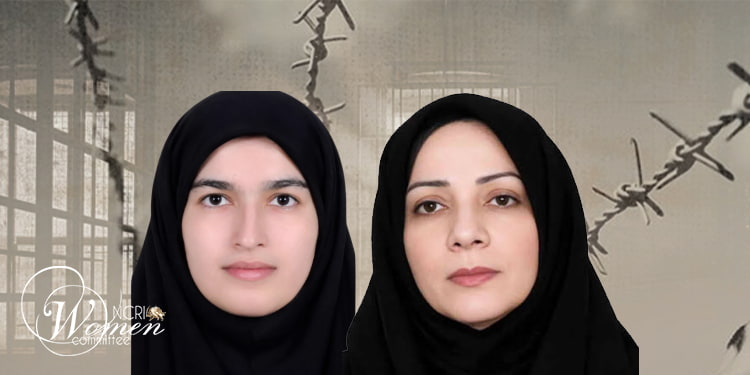
Women political prisoners in Iran continue to face prolonged detention, judicial uncertainty, and harsh prison sentences. In recent cases, two doctors and a grieving mother remain imprisoned or detained in Dowlatabad Prison in Isfahan and Sabzevar Prison.
Zeynab Soleimani: Pediatrician Held in Detention Without Trial
Zeynab Soleimani, a pediatrician, has been detained in Dowlatabad Prison in Isfahan since April 2026. According to published reports, during the January 2026 uprising, she assisted injured protesters by removing pellets and bullets from their bodies. No court hearing has yet been held regarding her case, and she continues to be held in legal limbo.
Reports also indicate that her mental health has seriously deteriorated during detention. She has been admitted to Farabi Psychiatric Hospital in Isfahan three times and has spent most of her detention in solitary confinement.
Somayeh Afshar: Grieving Mother Sentenced to Five Years in Prison
Somayeh Afshar, the mother of Alireza Sepahi, who was arrested during the January 2026 protests, is serving a five-year prison sentence in Dowlatabad Prison in Isfahan. She was convicted by Branch One of the Revolutionary Court of Isfahan on charges related to the protests and sentenced to five years’ imprisonment.
According to available information, she was arrested about 20 days after her son was detained. Informed sources have stated that her arrest was intended to pressure her son into making forced confessions. Her son, Alireza Sepahi, was executed in October 2026.
Continued Detention of Safiyeh Sabzevari
Safiyeh Sabzevari, a general practitioner from Sabzevar, has also remained in detention since September 5, 2026. She was arrested after appearing before the judiciary in Sabzevar and was subsequently transferred to Sabzevar Prison.
Nearly two months after her arrest, she remains in legal limbo, and no information has been made public regarding the charges against her. Safiyeh Sabzevari had previously been arrested in connection with nationwide protests.
Escalating Pressure on Women Protesters and Grieving Families
Prolonged detention, solitary confinement, judicial uncertainty, and heavy prison sentences are part of the repressive policies employed by Iran’s misogynistic clerical regime against women protesters and grieving families.
The cases of Zeynab Soleimani, Somayeh Afshar, and Safiyeh Sabzevari demonstrate that women in Iran face security and judicial pressure not only because of their participation in protests, but also for providing medical assistance to protesters or seeking justice for their loved ones.