Safe Shelters that provide support to women survivors of violence are disappearing across Iran. At a time when rates of violence against women, femicide, and suicide resulting from domestic violence are on the rise, a new report by Shargh newspaper has revealed the closure of many of these already limited shelters.
According to the report, of the 15 non-governmental Safe Shelters and six centers that were in the process of being established and operating in Iran in recent years, only five non-governmental Safe Shelters now remain across the country. Most of these centers are also struggling with severe financial and administrative difficulties and face the threat of closure. (Shargh Newspaper, September 17, 2026)
Safe Shelters are facilities where women who have experienced domestic violence can temporarily remove themselves from unsafe family environments and make decisions about their future in a secure setting. The closure of these centers, which are already extremely scarce throughout Iran, leaves women with no avenue of escape from violence.
Until 2014, there were essentially no Safe Shelters in Iran. From 2014, when permits were first issued for the establishment of governmental and non-governmental Safe Shelters in Iran, to 2017, 28 such houses were established. Even then, their numbers were extremely limited, and the admission requirements were difficult for vulnerable and homeless women to meet. (Fararu, October 21, 2023) These 28 Safe Shelters operated in 25 provinces, while six provinces did not have a single safe house.
The new Shargh report shows that between 2023 and 2026, seven of those 28 Safe Shelters had already been closed, and now another 16 houses and centers are reported to have shut down. At present, only five Safe Shelters remain for Iran’s entire population of 45 million women, and each of these facilities can accommodate a maximum of 100 women.
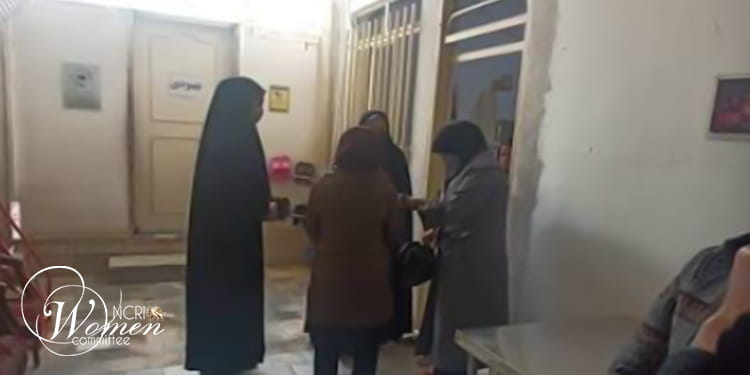
The Regime’s Neglect of Support for Women Survivors of Violence
The closure of many Safe Shelters is largely the result of inadequate funding and the lack of effective support from the State Welfare Organization. Activists working in this field say that despite the high costs of operating these centers, no dedicated budget line has been allocated to them, and government assistance has been reduced to a minimum.
At the same time, information about government-run Safe Shelters, which are now presented under the name “Hami Sara” (Support Shelters), is not publicly available, and there is no transparency regarding their operations or capacity.
Activists working to support vulnerable women describe the closure of these centers as “horrifying.”
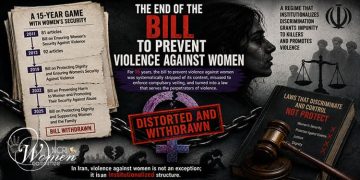
Iran continues to lack a comprehensive and effective law to combat violence against women. A bill that had for years been discussed under the title Providing Security for Women Against Violence ultimately failed after extensive revisions and prolonged disputes within the regime and was eventually withdrawn altogether by the administration.