
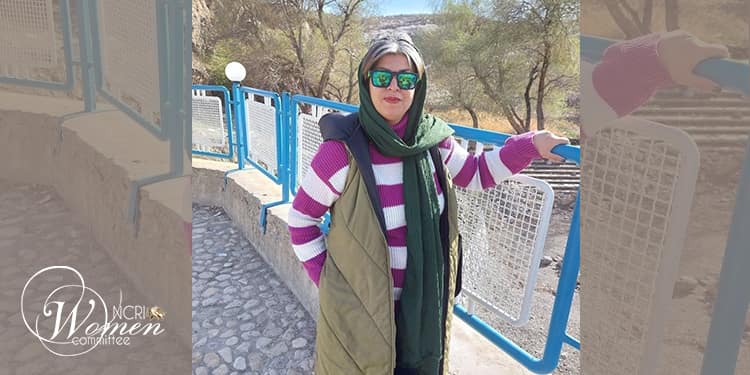
The clerical regime’s Supreme Court has rejected for the second time the retrial request submitted by Kowkab Badaghi Pegah, a teacher and teachers’ rights activist from Izeh of Khuzestan province. Following the rejection, her case has been referred to the sentence enforcement branch for implementation of a one-year prison sentence.
Kowkab Badaghi Pegah had previously been sentenced to one year in prison. The sentence was upheld in August 2026 by the Khuzestan Province Court of Appeals. With the rejection of her second request for retrial, the prospect of her imprisonment has moved significantly closer.
In July 2026, Bedaghi Pegah was also summoned to the Preliminary Board for Administrative Violations of the Khuzestan Department of Education. Earlier, in September 2025, the Appeals Board for Administrative Violations of the Khuzestan Education Department sentenced her to three months’ suspension from employment.
A Teacher Targeted for Years Because of Her Activism
Kowkab Badaghi Pegah is a well-known teachers’ rights activist in Khuzestan Province who has repeatedly faced security pressure, summonses, judicial cases, and administrative penalties because of her union activities and advocacy for teachers’ rights.
Over the years, her name has frequently appeared alongside other protesting teachers and labor activists who have faced judicial sentences and employment restrictions for pursuing educational and professional demands.
Bedaghi Pegah and her husband were also previously subjected to violent treatment by security forces, with reports documenting that both were physically assaulted. Repeated summonses, judicial proceedings, and professional restrictions have formed part of the continuing pressure imposed on this teacher and labor rights activist.
The rejection of her second retrial request and the referral of her case for enforcement of a prison sentence mark the latest stage in the judicial pressure against Kowkab Badaghi Pegah, a teacher who has spent years facing reprisals for defending the rights of educators and pursuing teachers’ demands in Iran.