
Iran’s Women Prisoners: A Human Rights Emergency Demanding Immediate International Action
September 2026
To:
The UN High Commissioner for Human Rights
C.C:
The UN Special Rapporteur on the situation of human rights in Iran, The UN Special Rapporteur on violence against women and girls, The UN Working Group on Arbitrary Detention, The UN Special Rapporteur on torture and other cruel, inhuman or degrading treatment or punishment, The UN Independent International Fact-Finding Mission on Iran, and The European Parliament Subcommittee on Human Rights (DROI)
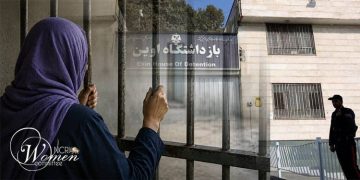
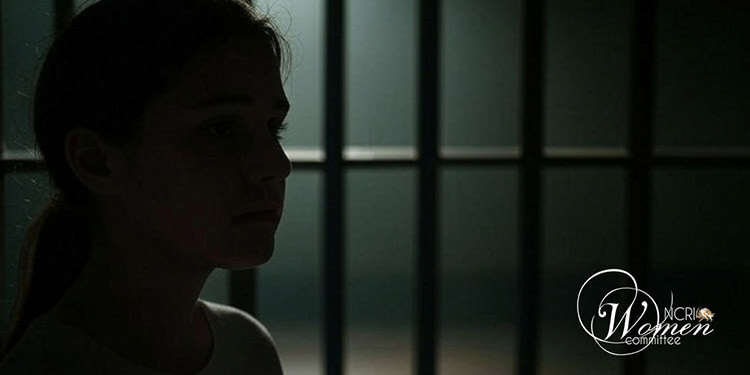
We join the call to action by the Women’s Committee of the NCRI to express our grave concern over the worsening conditions in Iranian prisons and the systematic violations of the rights of women prisoners. Recent reports point to a disturbing pattern of overcrowding, denial of medical care, unsanitary conditions, forced transfers, restrictions on family contact, and escalating pressure on political prisoners throughout the country. Women detainees are among the primary victims of these policies, facing conditions that threaten their health, dignity, and fundamental rights.
Alarming are reports from Fardis Prison in Karaj, where sewage flooding in the women’s recreation yard has exposed prisoners to disease and illness. Women reportedly suffered from diarrhea and vomiting while receiving no medical treatment. Among those held in these conditions are political prisoners Masoumeh Senobari, Atefeh Hassani, and Fatemeh Nadi Dastgirdi.
The humanitarian situation in women’s prisons has deteriorated to such an extent that, after sewage flooded the recreation yard of the women’s ward in Fardis Prison, prison officials reportedly claimed that repairs could not be carried out because of budget shortages. In response, the PMOI publicly declared its readiness to cover the full cost of the necessary repairs, based on figures verified by the prisoners themselves. The failure to respond to this offer laid bare the deliberate neglect of prisoners’ health and demonstrated that the continued exposure of women prisoners to such inhumane conditions is the result of policy and indifference rather than a lack of resources.
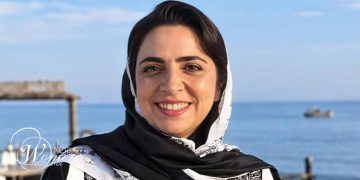
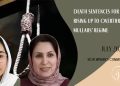
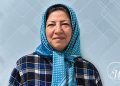
The situation of women political prisoners remains deeply alarming. Zahra Tabari, a 68-year-old political prisoner, and Arghavan Fallahi, 25, have been sentenced to death on charges of membership in the People’s Mojahedin Organization of Iran (PMOI). Many international figures have warned that their cases reflect a broader pattern of political executions and systematic repression in Iran.
We are also concerned about a number of other female political prisoners facing death sentences while being held under harsh conditions. Reports have raised concerns regarding detention conditions, access to healthcare, and fair-trial guarantees in several cases involving women prisoners. Such cases underscore the potentially life-threatening consequences of medical neglect, inadequate prison conditions, and the denial of basic rights to women detainees. These concerns are especially urgent where prisoners suffer from serious health conditions or require specialized medical treatment.
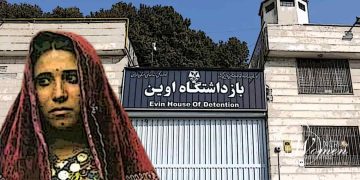
The plight of Kurdish political prisoner Zeinab Jalalian remains a stark example of the regime’s systematic denial of medical care and fundamental rights. Reports indicate that years of medical neglect resulted in the loss of her eyesight, while authorities repeatedly denied adequate treatment, restricted family visits, and conditioned medical leave on coerced televised confessions. Her case remains emblematic of the treatment faced by many women political prisoners in Iran.
At the same time, pressure has extended beyond prison walls. Families of political prisoners and PMOI supporters have reportedly been subjected to interrogation, threats, intimidation, and restrictions because of their association with imprisoned relatives. Such actions aim to increase psychological pressure on prisoners and silence their families’ efforts to seek justice and accountability.
Recent reports describe violent prison raids, forced transfers, punitive exile, solitary confinement, and additional restrictions imposed on political prisoners across the country. These measures appear designed to increase pressure on detainees and suppress any form of resistance or protest.
We Call Upon Governments, the United Nations, and International Organizations to:
1-Urge the Iranian regime to provide the UN Independent International Fact-Finding Mission on Iran and relevant Special Rapporteurs with immediate and unrestricted access to prisons and detention facilities in Iran, and to ensure that they are able to hold private meetings with prisoners, particularly women political prisoners. Refer the dossier on human rights violations in Iran—including torture, executions, the massacre of political prisoners, and violations of the rights of women prisoners—to the United Nations Security Council.
2-Establish an international mechanism to prosecute those responsible for crimes against humanity and genocide in Iran.
3-The United Nations Security Council should refer the case of the Iranian regime’s leaders to the International Criminal Court, and States should prosecute those responsible for crimes in Iran under the principle of universal jurisdiction.
4-Condition all diplomatic and economic relations with Iran on tangible improvements in the human rights situation, an end to executions, and the release of political prisoners, particularly women political prisoners.
The international community must not remain silent while women prisoners in Iran are subjected to degrading conditions, medical neglect, isolation from their families, and the constant threat of execution. Urgent international action is needed to protect their lives, uphold their rights, and ensure accountability for those responsible for these ongoing violations.

To sign the petition, please click here.