

The catastrophic and inhuman conditions in Qarchak Prison
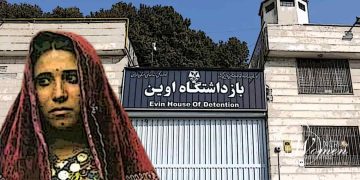
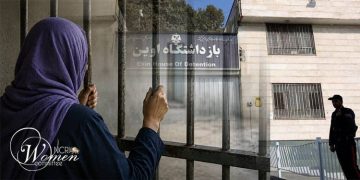
The Qarchak Prison is the only all-women prison in Iran, where 2,000 women are packed in notoriously squalid conditions.
Qarchak Prison is a disused industrial chicken farm in a desert area of eastern Tehran, falling far below international standards. The prison is a big hall with a high ceiling and without cells where 2,000 women live in the cold and heat without the minimum sanitary facilities.
The prison is used as an internal exile for political prisoners.
There is no separation of crimes in Qarchak Prison; political prisoners are detained among ordinary criminals and dangerous prisoners. Many women arrested during the November 2019 and January 2020 protests are held in this prison, none of whom have been allowed to go on leave.
Qarchak Prison has ten wards and one quarantine. The wards lack windows for ventilation. The wards include a mothers’ ward where women with children under two years of age and nursing mothers are detained.
The number of prisoners is higher than the actual capacity of the halls and cells. If a prisoner gets sick puts the rest of the prisoners at risk. Due to the overcrowding, some of the prisoners sleep on the floor. The addicts and prisoners infected with AIDs or hepatitis are not separated from others.
The lack of basic welfare facilities, problems with the sewage system, saline water, continuous water cuts during the hot season, the lack of medical and health facilities, and prison overcrowding have caused a severe health situation in this prison.
Women prisoners in Qarchak are deprived of the three vital elements for every human: water, air, and healthy food. The director of Qarchak Prison, Soghra Khodadadi, has made a hell out of this prison.
Women imprisoned in Qarchak Prison are deprived of their most basic human rights and face new daily problems. During June, there was not a week when the news of Qarchak prison was not published on social media.

Sewage overflows in Qarchak
Qarchak Prison sewage overflew on Tuesday, June 7, 2022, in the prison yard and gradually flew to cover the floors of all the yards in wards 5, 6, 7, and 8. Prisoners can no longer go to the yards to breathe fresh air, and the sewage odor has filled the prison’s space. Inmates especially feel bad during the night.
The flow of sewage, coupled with the hot weather and the lack of a ventilation system, has caused an influx of insects and created respiratory problems for the detainees.
Qarchak Prison authorities have not taken any action to fix the problem despite prisoners’ protests.

Hygiene in Qarchak prison
The dire health condition of Qarchak prison even found its way to the state media. Fundamental health issues are not observed in this prison.
Sanitary materials are very scarce and expensive in this prison. In a large hall for 120 prisoners, there is a small amount of dishwashing liquid.
The prison is full of vermin, and the heat and lack of spraying have aggravated this issue. Many animals, such as rats, salamanders, lizards, water sleuths, bees, and even poisonous tarantulas, also find their way into the cells.
The prisoners of Qarchak did not even have the facilities to deal with lice among them, and they only shaved the heads of the prisoners and washed them with Whitex.
Due to the lack of sufficient syringes for diabetic prisoners, the same needles are used repeatedly for insulin injections in the prison’s clinic.

TB contagion and failure to isolate TB patients
There were reports that several prisoners had contracted tuberculosis in June. Prisoners with tuberculosis are being held alongside other prisoners, which has caused concern among the prisoners’ families.
In late May, the prison’s clinic confirmed that one of the inmates had contracted TB. After two weeks, the prisoner was quarantined for only three days and returned to the public ward afterward.
Subsequently, four other prisoners contracted the disease, only one of whom was quarantined for three days.
An informed source said some 40 inmates with symptoms suspected of tuberculosis had been tested. However, prison authorities have not taken any other action, including isolating the suspected patients in quarantine.
Qarchak Prison authorities did not take any practical measures in response to the prisoners’ protest. Instead, they told them, “If you get infected, your immune system will fight the disease.”
Tuberculosis is a deadly disease infecting the patient’s lungs and other organs. The patient can transmit the bacteria through their respiratory droplets. Those with active tuberculosis spread the infection through the air when they cough, sneeze or spit.
In a crowded place with no ventilation, such as the all-women Qarchak Prison, it is predictable to what extent the inmates are at risk of the disease’s outbreak.
Contaminated water makes prisoners sick
The water in Qarchak Prison is very salty, smells, and tastes terrible. According to informed sources, since mid-June, the water quality has worsened.
Simultaneous with the sewage overflow on June 7, the drinking water pipe was also cut off. The water of this pipe becomes potable after being purified or boiled.
The water purification system has broken down. Inmates must buy every bottle of mineral water for 4,000 Tomans, which many of them do not afford.
Prison authorities turn off air conditioners inside the wards and in the halls with the excuse of repeated water cut-offs. Then the heat makes it harder for prisoners to tolerate conditions without access to water.
Soghra Khodadadi, the head of Qarchak Prison, is entirely aware of the situation. She knows prisoners cannot afford to buy mineral water and are forced to use the contaminated water. But she has deliberately decided not to solve the problem, one prisoner on temporary leave said.
The prisoner also said, “When authorities turn the air conditioners off, excessive heat occurs inside the prison. No access to safe drinking water violates prisoners’ rights. This situation leads to increased psychological tensions amongst prisoners, and the slightest dispute between them leads to fierce clashes.”
Notably, some 85% of inmates in Qarchak Prison consume nerve drugs.
Insufficient nutrition and abundant drugs
Women imprisoned in Qarchak are always hungry and nervous. Prisoners do not receive enough protein.
Prisoners in Qarchak cannot even buy eggs from the prison store weekly. The prison store’s materials are expensive, limited, and poor quality. But raw materials are not sold in this store.
There is a “hothouse” in every courtyard for cooking, but due to the short roof, these places have been closed, and prisoners cannot use them for cooking. The hothouses have turned into homes for cats.
According to the prisons’ regulations, prisoners must have dairy, fruits, and vegetables in their diet. However, prison authorities steal the budget for prisoners’ food and do not provide these items to prisoners for free.
Some of the women have been in Qarchak Prison for ten years. They have not had any fruit or good food for all these years. Even when charities send food and fruits to the inmates, they do not reach them.
Carrots, bananas, and 90% of the foods are banned in Qarchak Prison. Instead, narcotic drugs are abundant and easily accessible. The prison’s security guards and the IRGC bring in the drugs in large amounts and sell them to the prisoners.
Conditions of mothers and young children in detention
The air conditioner in the mothers’ ward is broken. So, in the early days of the hot season, several young children were heat stroked.
Due to power outages during most hours of the day, the air conditioner is off. Even when there is power, the guards turn off the air conditioner with the excuse of water cut-offs.
The prison’s director and security prevent charity aid from reaching the mothers serving their time in prison and their children.
Prison food is not enough for mothers who breastfeed their babies. The food provided by charities for these mothers is not delivered to them.
Pregnant women are detained in limbo for a long time. They do not receive clothing, either.
There are no facilities for detained children with their mothers.

The director of Qarchak is responsible for torturing women
In collaboration with the regime’s Judiciary and the Prisons Organization, Soghra Khodadadi, the director of Qarchak Prison, has created unbearable conditions for inmates in this prison.
The United States Treasury Department, on December 7, 2021, imposed sanctions on Soghra Khodadadi in connection with serious human rights abuse and repressive acts targeting innocent civilians, political opponents, and peaceful protestors.
The US Treasury Department press release said, “Khodadadi is being listed by the Department of State and designated by OFAC pursuant to Section 106 of CAATSA. Qarchak Prison was publicly identified as responsible for certain gross violations of human rights under CAATSA in 2019 and designated in 2020.”
Some of the inhuman practices of Soghra Khodadadi follow:
During the weeks when the sewage flow was added to hundreds of previous health problems, prisoners protested the influx of harmful and poisonous insects. Khodadadi said in response to the prisoners, “It is normal for these things to exist in prison!”
In response to the women’s protest against the disastrous conditions of the Qarchak Prison, Soghara Khodadadi and other prison agents say, “This is a prison! It should be like this!”
Farzaneh Karimi Rozbahani is one of the prison guards who harass, disrespects, and insults the inmates. The prison authorities do not find any fault with her, and she has an open hand in her practice.
Sahar Karam Saleh, Mirzaei, Rostami, Qara Guzlu, and Nahavandi are also among the guards who are very nervous and misbehaving.
The prison’s director supports these people, and the prisoners’ voice to replace them does not reach anywhere.
Conditions of political prisoners
Qarchak prison is one of the places for the banishment of political prisoners as a punishment.
Ward eight is the place for political prisoners, and its door is always locked.
No guard is permanently present to open the door if needed. If something happens to sick prisoners and it is an emergency, they have to wait for a long time behind the door. This issue poses severe and life-threatening risks for political prisoners.
Also, all the iPhones in the halls are broken, and the prisoners cannot call the guards’ office.
Face-to-face meeting for prisoners is once every two months for only twenty minutes, which is less for political prisoners even when the prison director approves the visit.
Cabin meetings last 15-20 minutes, while according to the regulations of the Prisons Organization, the sessions should last 25 minutes.

The international community urged to visit Iran’s prisons
According to the document published by the National Council of Resistance of Iran (NCRI), the Iranian Judiciary has 325 prisons, detention centers, and so-called correctional centers. This number does not include more than 300 detention centers of the State Security Force (SSF) and the Ministry of Intelligence (MOIS).
The conditions of all these prisons are similar to those of Qarchak Prison. The Iranian Resistance has repeatedly urged the United Nations Secretary-General and High Commissioner for Human Rights to send an international delegation to visit the clerical regime’s prisons and talk with prisoners, especially female prisoners.
The NCRI Women’s Committee once again urges the United Nations officials and international women’s rights organizations to immediately address the situation of Qarchak Prison and the women imprisoned there.