
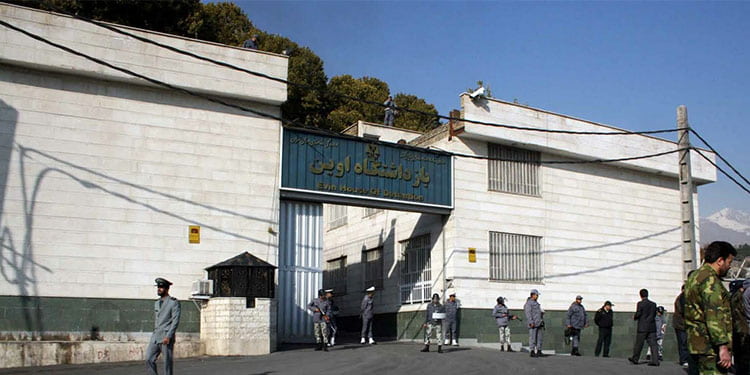
According to reports received from prisoners’ families, conditions inside Evin Prison have deteriorated significantly in recent days. Detainees are facing acute shortages of basic necessities and increasingly alarming living conditions.
Approximately 200 women political prisoners are currently detained at Evin Prison. They have been particularly affected by the suspension of hot water and repeated disruptions in electricity supply.
Reports indicate that power in certain sections of the facility is being provided solely through diesel generators, a stopgap measure that has severely undermined the reliability of essential services.
The healthcare situation is described as critical. Amid the spread of seasonal colds among inmates, access to medication and medical care has reportedly been reduced to a minimum. Prisoners have been given only limited quantities of diphenhydramine syrup, with each individual instructed to take no more than a single spoonful. The distribution of cold medication tablets has also been highly restricted, with supplies insufficient to reach all detainees.
At present, meaningful access to physicians, medication, and even the prison infirmary is effectively unavailable. Inmates are being deprived of basic medical services, placing their health at serious risk.
Previous reports had already indicated that, in the context of wartime conditions, the absence of some prison personnel had disrupted the provision of essential services. This staffing shortfall appears to have compounded the internal crisis, further exacerbating the hardship faced by those detained.
The continued detention of political prisoners under such circumstances raises serious humanitarian and legal concerns. Many of those held are civil and political activists detained for peaceful activities and do not pose a threat to public safety. Their confinement in conditions that endanger their health and well-being may amount to the exposure of civilians to preventable and life-threatening risks.
Resolution No. 211 and the Judiciary’s Legal Obligations
Under Resolution No. 211 of the High Judicial Council, dated January 12, 1987, the judiciary is legally obligated during wartime emergencies to take immediate measures to protect prisoners’ lives. These measures include converting detention orders, granting conditional release, accepting bail or surety, and transferring prisoners to secure locations.
The resolution further authorizes prosecutors, where ordinary safeguards prove insufficient, to release prisoners who do not pose security risks for the duration of the emergency. Political and conscience prisoners, individuals convicted of non-intentional or financial offenses, and those serving sentences for minor crimes are among those eligible for such measures. Provision has also been made for the transfer of individuals convicted of violent offenses to secure facilities.
Legal experts emphasize that implementation of this resolution under current circumstances constitutes an urgent legal obligation and cannot be deferred.
Given the continuation of military threats, any delay in decision-making could carry irreversible human consequences. Prisoners have no capacity for self-defense against air or missile strikes. Responsibility for their protection rests directly with the judiciary and the Prisons Organization.