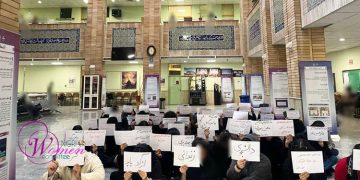


The 109th consecutive week of the No to Execution Tuesdays campaign was marked across 56 prisons in Iran, as inmates once again staged coordinated hunger strikes on Tuesday to protest the escalating issuance and implementation of death sentences.
As in previous weeks, prisoners refrained from food as a form of nonviolent resistance, drawing attention to what activists describe as a sharp rise in capital punishment rulings and executions nationwide.
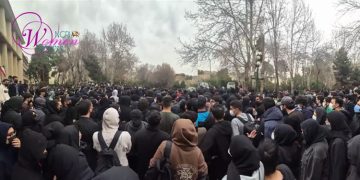
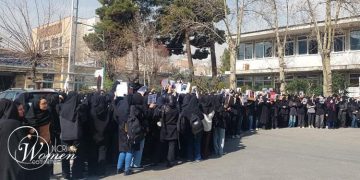
The protest coincided with memorial ceremonies marking the 40th day since the victims of the January 2026 uprising were killed, a significant milestone in Iranian mourning tradition. The convergence of these events underscores the growing alignment between imprisoned political activists and broader anti-government protest movements across the country.
Warning Over Intensified Crackdown on Universities
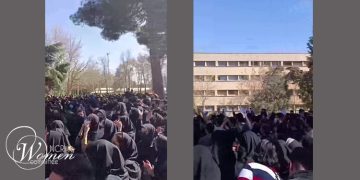
In its weekly statement, the No to Execution Tuesdays campaign expressed solidarity with students protests at leading institutions, including Sharif University of Technology, University of Tehran, Amirkabir University of Technology, University of Art, Melli University, and Ferdowsi University of Mashhad.
The statement warned of mounting security pressure within academic spaces, citing increased surveillance, arrests, and disciplinary measures targeting students and faculty.
It further highlighted concerns over expedited judicial proceedings, denial of access to independent legal counsel for detainees, and the imposition of severe sentences, including capital punishment. According to campaign organizers, these developments raise serious concerns regarding due process violations and the expanding securitization of dissent.
40th-Day Memorials Become Symbol of Continued Resistance
Campaign members reported that 40th-day memorial ceremonies for those killed during the January 2026 protests were held in multiple cities across Iran. These gatherings, traditionally significant in Iranian culture, have evolved into powerful expressions of collective defiance.
Chants rejecting authoritarian rule and condemning state repression were widely reported. Organizers say the memory of those killed has become a unifying force, reinforcing demands for justice, political freedom, and equality under the law.
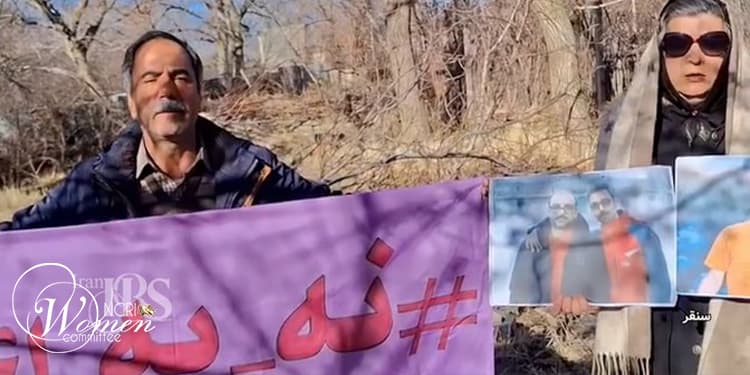
Families: A Pillar of the Movement
A defining factor in the expansion of the No to Execution Tuesdays campaign has been the sustained presence of families of political prisoners sentenced to death, as well as relatives of those killed during nationwide protests.
By participating in public demonstrations and openly demanding the abolition of capital punishment, these families have introduced a deeply human and moral dimension to the movement. Their visibility has amplified public scrutiny of execution practices and strengthened solidarity across social sectors.