A Life of Endurance, Courage, and Unyielding Faith in Freedom
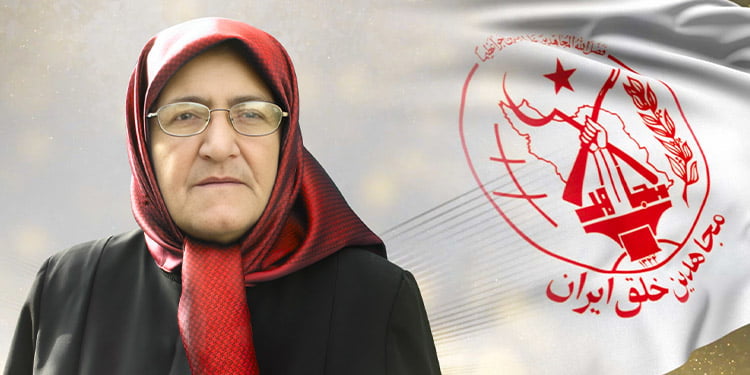
Saltanat Ramim, known to all as Mother Hajar, passed away on February 1, 2026, in exile in Albania after 47 years of steadfast devotion to the cause of freedom. Her life was shaped by sacrifice but defined by dignity. She leaves behind a legacy that will endure in the memory of all who believe that resistance, even in its quietest form, can change the course of history.
Born in 1936 in the city of Kermanshah, Mother Hajar lived through some of the most turbulent chapters of modern Iranian history. She stood among the people during the 1979 Revolution against the Shah’s dictatorship and remained unwavering when repression returned under a new ruling power. At a time when fear silenced many, her home became a place of courage—open to those who dared to dream of freedom.
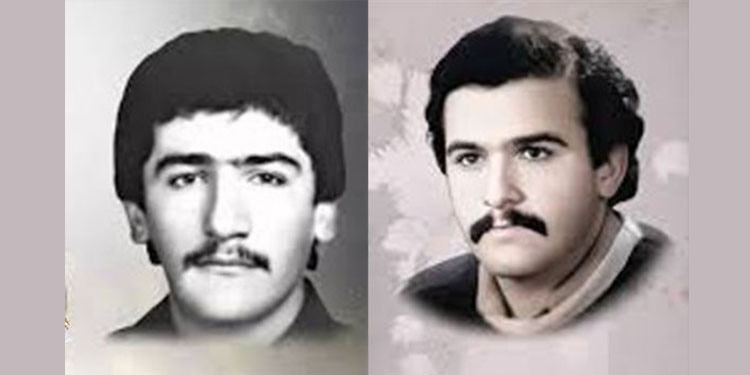
She was not only a witness to struggle, but a mother who raised her children in its midst. Five of them—Rashed, Zahed, Farid, Jahed, and Farzaneh Madoumi—chose the same path of resistance. For this, her family paid a devastating price.
Her son Zahed was brutally beaten for distributing newspapers and later executed in March 1983. Her husband, Mohammad Karim Madoumi, was killed in a regime-orchestrated car “accident.” Her daughter Farzaneh was imprisoned and tortured. Her son Rashed lost his life during Operation Eternal Light. One by one, the pillars of her personal world were taken from her.
Yet Mother Hajar did not surrender to grief. She transformed sorrow into steadfast resolve. Even as she endured arrests, threats, and the confiscation of her home, she stood outside prison gates day after day—present, unbroken, and unafraid.
In 1985, she joined the ranks of the People’s Mojahedin Organization of Iran and later the National Liberation Army of Iran, serving with humility and quiet strength. She asked for no recognition, only the chance to serve. Her role in logistical and support work reflected her belief that every act of resistance, no matter how small, mattered.
In the years that followed, she endured siege, displacement, and repeated attacks in Camp Ashraf and Camp Liberty. Even under missile fire, even as illness weighed on her aging body, she remained a source of comfort and resilience for those around her. Her presence reassured others that endurance itself could be an act of defiance.
Near the end of her life, she wrote with characteristic humility:
“I advance again and again on the path of liberation. I consider myself the dust beneath the feet and the humble servant of all the Mojahedin and of my children.”
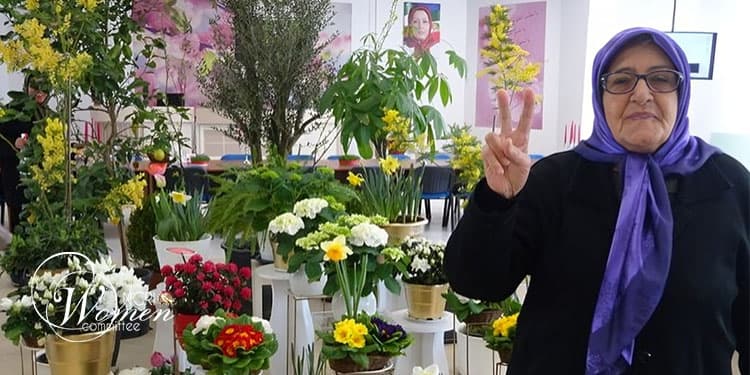
Mother Hajar lived nearly ninety years, but her true measure lies not in time, but in faithfulness—to her values, to her loved ones, and to a future she may not have lived to see, but never stopped believing in.
We remember her not only as a mother who endured unimaginable loss, but as a woman who transformed suffering into steadfast hope. Her life remains a quiet monument to courage—and a reminder that freedom is often carried forward by those who refuse to let despair have the final word.
May her memory endure.