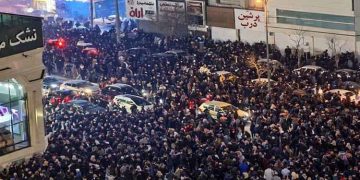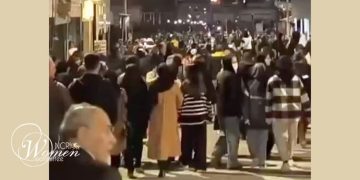

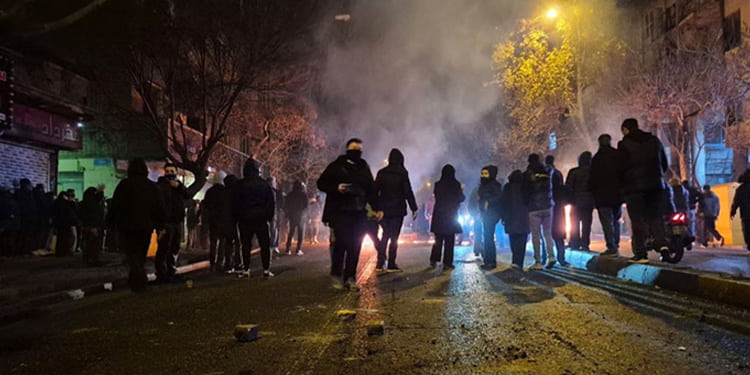
On Tuesday, January 13, 2026, the nationwide Iran uprising entered its third week, spreading to at least 207 cities and 413 locations across the country. Despite a bloody crackdown and a high number of fatalities, protesters’ morale remains strong. Demonstrations continued late into the night, with the scope of the protests still expanding.
In 24 hours, on Monday, January 12, cities including Tehran, Isfahan, Ahvaz, Kermanshah, Kerman, Marvdasht, Sanandaj, Izeh, and Meshkan witnessed intense confrontations between protesting youths and security forces.
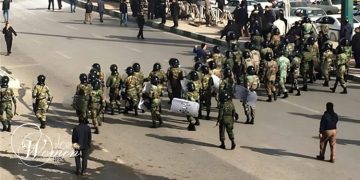
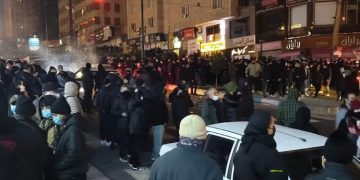
In Tehran, multiple districts, among them Bahar Street, Sadeghieh, Nezamabad, Punak, Elahieh, and Kargar Ave., were scenes of demonstrations and direct clashes with special police units. Chants such as “Death to Khamenei” and “Dishonorable, Dishonorable” echoed through the streets.
Reports indicate ongoing demonstrations in Tehran (from northern districts to Ashrafi Esfahani and Behesht-e Zahra), Isfahan, Karaj, Meshkan in Fars Province, Ilam, Kermanshah, Ahvaz, Hamedan, Qom, Mashhad, Shiraz, and Tabriz. The core slogans continue to directly target the head of the ruling system.
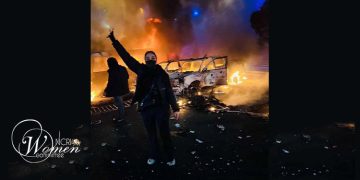
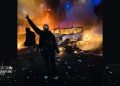
In Meshkan, Fars Province, on Monday evening, January 12, protesters rallied while chanting “Death to Khamenei,” and during ensuing clashes, a van belonging to security forces was set ablaze.
Attempts by the regime to stage pro-government counter-rallies failed; images released by state-affiliated media themselves attest to the failure and bankruptcy of these orchestrated displays.
In Isfahan, the main bazaar was completely shut down on Monday, January 12, while in Rasht a market strike continued, effectively placing the city under an undeclared state of martial law from the afternoon onward.
Families of those killed have gathered even at Behesht-e Zahra cemetery, chanting protest slogans and turning the site into yet another focal point of dissent.
The clerical regime resorted to emergency measures in an effort to contain the growing wave of protests. The order to immediately evacuate Tehran University dormitories for ten days, along with the decision to move examinations at Urmia University online, underscore the regime’s deep concern over the pivotal role of university campuses in sustaining the popular uprising.
Meanwhile, NetBlocks reported that Iran has effectively been offline for more than 120 hours. This deliberate move, cutting fixed-line and mobile internet as well as phone services, has severely restricted independent reporting on repression and the killing of civilians.
Reports from Tehran also describe security forces raiding neighborhoods and private homes and confiscating satellite dishes, a measure reminiscent of mass crackdowns in previous decades.
Under these conditions, despite communication blackouts and mounting pressure, the nationwide uprising continues, driven by slogans openly denouncing the ruling dictatorship.