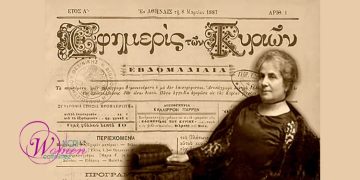

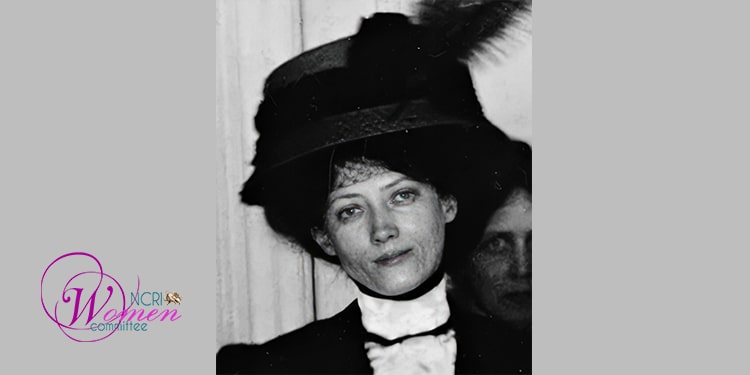
Thora Daugaard (22 October 1874 – 28 June 1951) stands as one of Denmark’s most influential feminist voices—a journalist, translator, and peace activist whose work helped define the country’s early women’s rights movement. Born in Randers, she emerged at the forefront of Scandinavian feminism at a time when the idea of women’s political equality was still radical.
A gifted communicator, Daugaard spent her early career as a teacher before moving into journalism, where she used the press as a platform to challenge restrictive gender norms. Her reporting, lectures, and translations—especially of international feminist literature—made her a key bridge between Danish activists and the global suffrage movement.
Daugaard’s legacy is most strongly tied to her leadership in the Danish Women’s International League for Peace and Freedom (WILPF). As its long-time president, she promoted pacifism, democratic participation, and women’s involvement in foreign policy during the turbulent years surrounding both World Wars. Her advocacy placed Denmark firmly within the international dialogue on disarmament, human rights, and women’s political empowerment.
In addition to her peace work, Daugaard championed women’s economic independence, workplace equality, and access to education—issues that remain central to gender-justice debates today. Through her activism, she helped shape Denmark’s reputation as an early leader in progressive social reform.
Thora Daugaard’s life reflects a powerful combination of courage, diplomacy, and strategic vision. More than six decades after her death, she continues to be remembered as a trailblazer whose voice helped move both Denmark and the wider world toward equality and lasting peace.