
At dawn on Saturday, December 13, 2025, a woman identified as Sediqeh Ghorbani was hanged in Urmia Central Prison.
The Chief Justice of Urmia announced the execution without disclosing the woman’s identity. Sediqeh Ghorbani had been arrested two years earlier on charges of the premeditated murder of her four-year-old stepdaughter, Ava Ghahremani, and had been held in custody since then.
Social tragedies are rooted in deeper political causes. In the final analysis, they must be laid at the door of the anti-human, misogynistic clerical regime, which has been the breeding ground for the deep-seated pathologies of this period in Iran’s history. At the core of this dehumanizing ideology and policy lies the systematic victimization of women and girls.
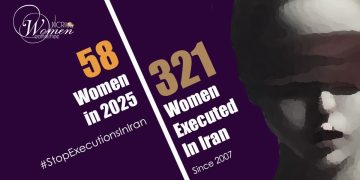
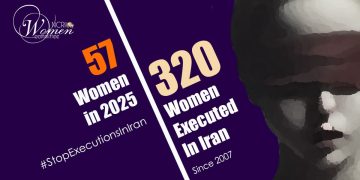
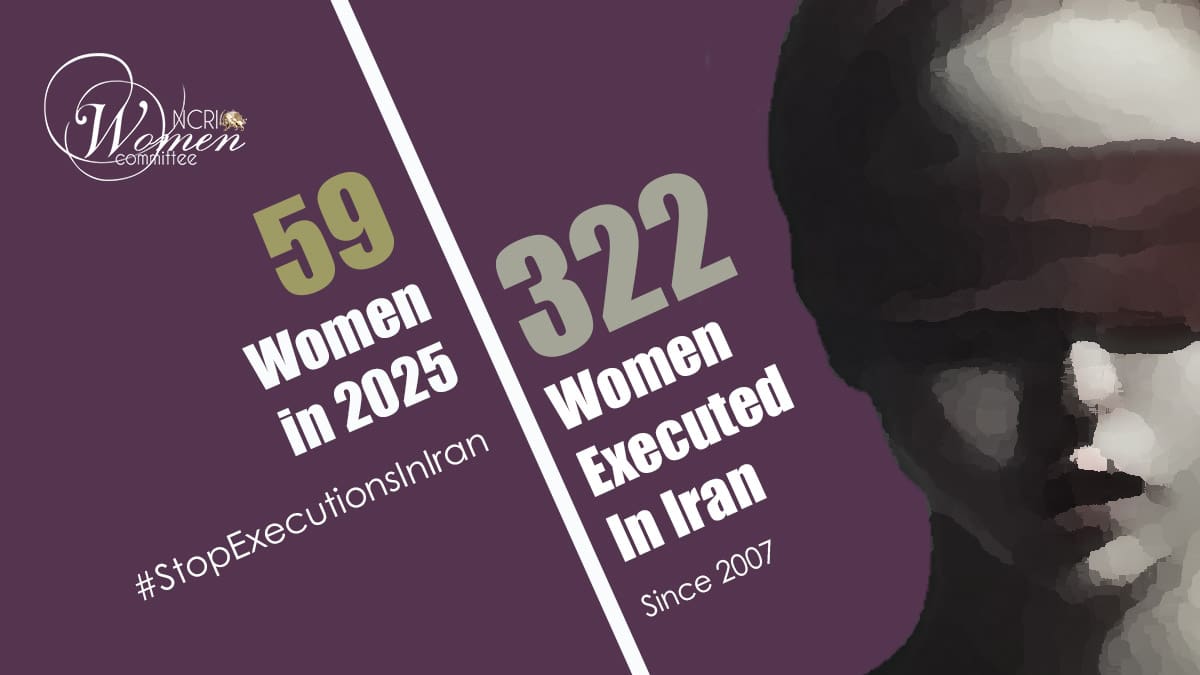
With the execution of Sediqeh Ghorbani in Urmia Central Prison, the number of women executed in Iran since the beginning of the 2025 calendar year has risen to 59.
Iran, the world record holder in executing women
According to data recorded by the Women’s Committee of the National Council of Resistance of Iran, at least 322 women have been executed in Iran since 2007.
So far in 2025, the clerical regime has executed at least 70% more women than in all of 2024, and the year is not yet over.
Many of the women executed by the Iranian regime are themselves victims of domestic violence and discriminatory family laws. A significant number have acted in self-defense.
Since Masoud Pezeshkian took office, the clerical regime has executed some 2,700 prisoners.
Silence and inaction in the face of the murderers of the Iranian people fuel terrorism, suppression, and warmongering. The regime of execution and terror must be shunned by the international community, and its dossier of human rights violations must be referred to the United Nations Security Council.