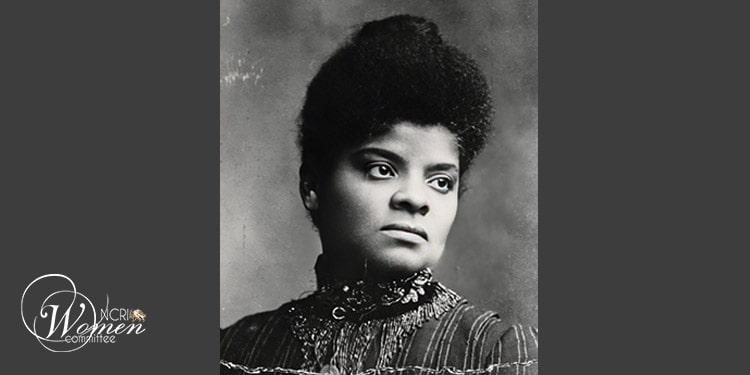
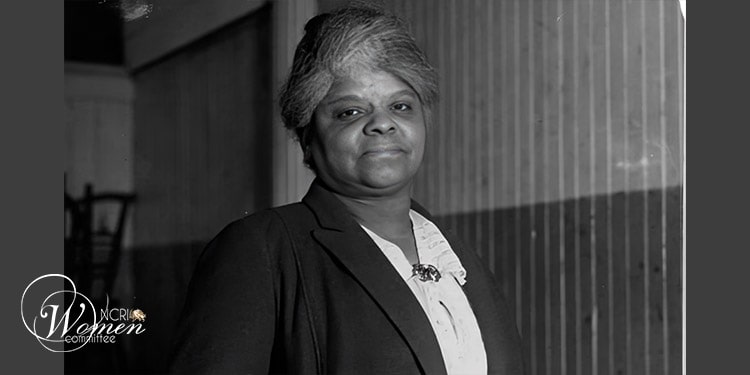
Ida B. Wells (July 16, 1862 – March 25, 1931) stands as one of the most fearless voices in American history; a pioneering Black journalist, data-driven investigator, suffragist, and co-founder of the NAACP. Born into slavery during the Civil War, Wells transformed personal tragedy and systemic injustice into a lifelong movement for truth, justice, and full citizenship for African Americans. Her legacy remains a cornerstone of U.S. civil rights history and modern investigative reporting.
Early Life Rooted in Resistance
Ida Bell Wells was born in Holly Springs, Mississippi, just months before the Emancipation Proclamation. Her parents, James and Lizzie Wells, were strong advocates for education, and they passed that passion to their daughter. When Ida was only sixteen, both of her parents died in a yellow fever epidemic. Determined to keep her siblings together, she became a teacher, her first act of defiance against a world determined to limit Black opportunity.
Journalism as a Weapon Against Injustice
Wells entered journalism almost by accident. After being forcibly removed from a segregated railroad car, she sued the railroad company and won a local court victory (later overturned on appeal). The experience galvanized her. She began writing about racial discrimination for local Black newspapers, soon earning a reputation as a bold and incisive voice unafraid to confront abuse of power.
By the early 1890s, Wells had become co-owner and editor of The Memphis Free Speech, where her groundbreaking reporting exposed the truth behind lynching, showing that these acts of terror were not responses to crime, but deliberate tools to enforce white supremacy and suppress Black economic progress.
The Anti-Lynching Crusade
Wells’s 1892 investigation, sparked by the murder of three of her close friends, marked a turning point. Using documented cases, statistics, and eyewitness accounts, she dismantled the lies used to justify lynching. Her editorials were so explosive that a white mob destroyed her newspaper office and threatened her life.
Forced into exile in the North, Wells took her campaign to the national and international stage. She traveled across Britain and the United States delivering lectures that exposed the brutality of lynching to global audiences. Her pamphlets,“Southern Horrors” and “The Red Record,” became foundational texts in the anti-lynching movement.
A Force in Women’s Rights and Civil Rights
Beyond journalism, Ida B. Wells was a powerful organizer. She helped found the National Association of Colored Women, fought fiercely for women’s suffrage, and insisted that Black women be included in marches and policy decisions, despite resistance from white suffragists.
In 1909, she became one of the early founders of the NAACP, though she later pursued her activism independently, unconvinced that the organization was radical enough in confronting racial violence.
In Chicago, she created the city’s first Black women’s settlement house, ran for the Illinois State Senate, and continued documenting racial injustice until her final years.
Legacy: The Mother of Investigative Journalism
Ida B. Wells’s work laid the foundation for modern investigative reporting—using data, evidence, and fearless storytelling to expose systemic abuse. Her anti-lynching activism helped shape the moral and political framework of the 20th-century civil rights movement, inspiring figures from W.E.B. Du Bois to Rosa Parks and beyond.
Today, Wells is celebrated as a visionary whose pen was her weapon and whose courage reshaped the American conscience.