

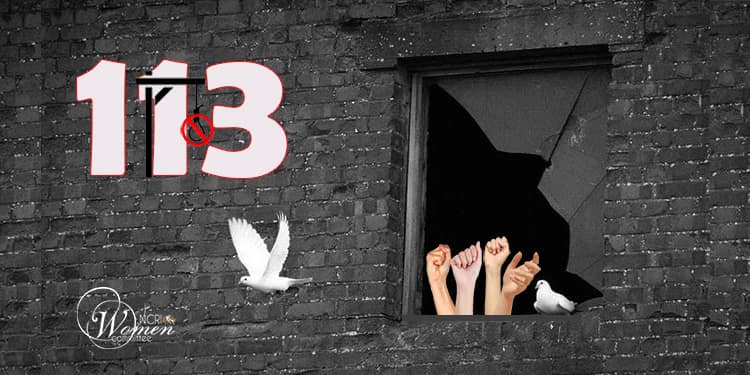
The “No to Execution Tuesdays” campaign has announced the continuation of a coordinated hunger strike by prisoners in 56 prisons across Iran for the 113th consecutive week. The protest movement, launched in response to the rising implementation of death sentences, has evolved into a prominent symbol of civil resistance within the country’s prison system.
According to the campaign, participating prisoners once again staged a hunger strike on Tuesday, March 24, 2026, to protest the accelerating pace of executions. Organizers emphasized that the protest has not ceased even amid conditions of war and aerial bombardment. Despite mounting pressure, prisoners have continued their actions. The campaign’s primary objective is to draw the attention of global public opinion and international institutions to the surge in executions and to the plight of inmates currently facing imminent execution.
In a statement, the campaign referred to execution figures over the past year, asserting that thousands of prisoners across the country have been executed. It also cited the execution of several detainees arrested during the nationwide protests in December, as well as another prisoner in Karaj. According to the campaign, these actions reflect an intensification of repression and the expanded use of capital punishment as a tool of state control.
Prisoners’ Voices in Information Blackout
The campaign underscored that the hunger strikes are continuing under conditions in which many prisoners are being held in uncertain circumstances, with their communication with the outside world severely restricted. Internet shutdowns and tight limitations on information dissemination have, according to organizers, significantly reduced the visibility of prisoners’ voices in public discourse. In this context, the campaign seeks to function as a platform for incarcerated individuals and to bring their situation to the attention of international human rights organizations.
Female Prisoners in Evin and Qarchak Continue Hunger Strike Despite Acute Conditions
Female prisoners held in Evin Prison and Qarchak Prison are continuing their hunger strike despite what have been described as severe and deteriorating conditions.
Reports indicate an escalating crisis among women detainees, particularly in Evin and Qarchak. The lives of inmates, especially more than 200 women currently imprisoned in Evin, are said to be at serious risk. The absence of accountability from authorities, the reduction of essential services, and the failure to address calls for prisoner transfers or releases have intensified concerns about the emergence of a humanitarian crisis.
At Evin Prison, the suspension of hot water and a sharp decline in sanitation, medical, and pharmaceutical services are among the most urgent issues reported. These conditions persist as many prisoners, already weakened by overcrowding and substandard detention conditions, struggle with a range of illnesses and face an urgent need for medical care.
Conditions at Qarchak Prison in Varamin are described as even more critical. Approximately 80 women detained during the December protests are currently being held at the facility, which has previously drawn sustained criticism for extreme overcrowding and the lack of basic infrastructure and essential services.