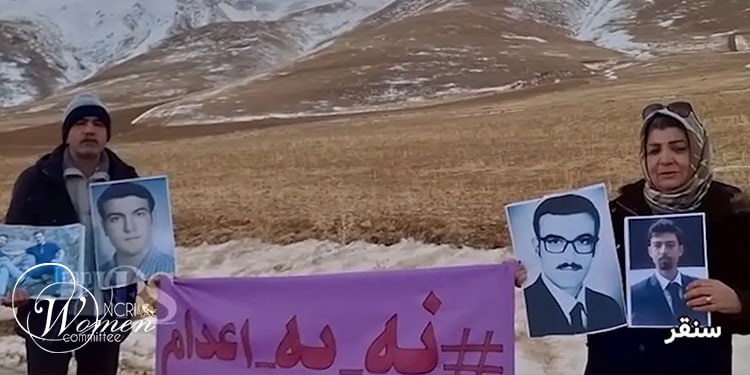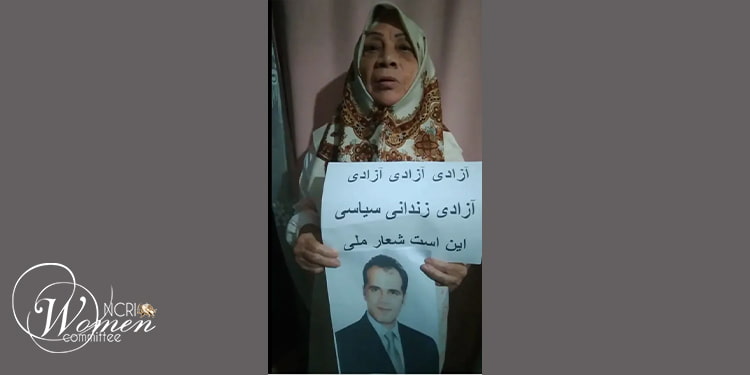

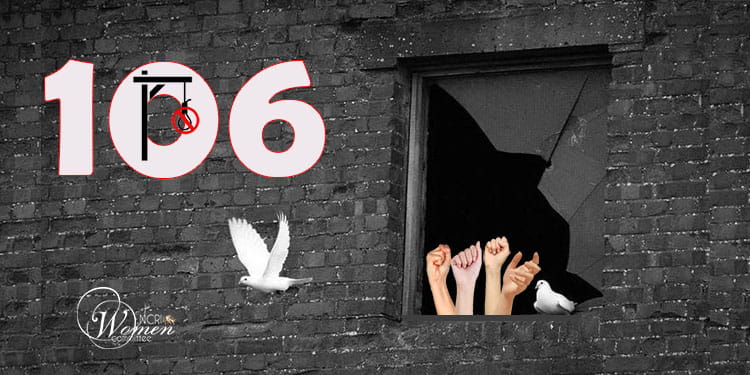
The nationwide “No to Execution Tuesdays” campaign has entered a new and critical phase in its 106th consecutive week, marked by coordinated hunger strikes by prisoners in at least 56 prisons across Iran and simultaneous public protests by the families of political prisoners and those killed by state violence. This convergence signals a deepening alignment between resistance inside prisons and dissent within broader society.
In a newly released statement, campaign participants warned of an intensified crackdown on the nationwide protests of 2026, drawing attention to the killing of protesters and the ongoing uncertainty surrounding the fate of thousands of detainees.
Nationwide Crackdown: State Killings and Enforced Disappearances
The statement notes that more than three weeks after the widespread killing of citizens on the streets and the mass arrest of tens of thousands, many families remain in complete darkness regarding the whereabouts and condition of their loved ones.
The signatories describe this situation as a “clear and undeniable case of state killing and enforced disappearance,” holding the highest levels of Iran’s ruling establishment directly responsible.
Members of the “No to Execution Tuesdays” campaign also raised serious concerns about the condition of detainees, reporting that the names of many arrested individuals have not been recorded in official prison registration systems.
According to the statement, this deliberate lack of transparency facilitates pressure, torture, and further grave violations, effectively granting security and repressive forces unchecked power to act arbitrarily.
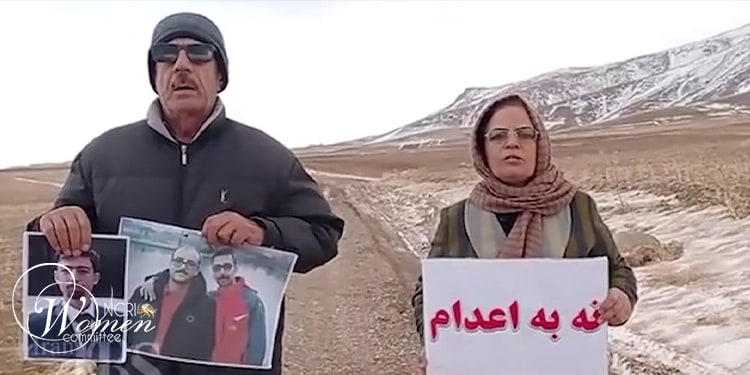
Justice-Seeking Families: The Enduring Backbone of Protest
Now in its third year of sustained activity, the “No to Execution Tuesdays” campaign has evolved from a limited prison-based protest into a nationwide social demand.
At the heart of this movement, the families of those killed and of political prisoners facing execution have emerged as a steadfast and influential force.
By chanting slogans against executions, these justice-seeking families have articulated a collective voice that transcends individual loss. This voice has now become the expression of a national demand and a central pillar in the persistence and expansion of opposition to the death penalty in Iran.