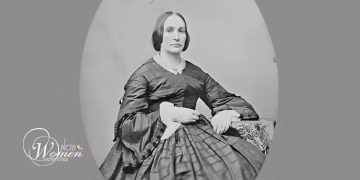


Emily Hobhouse (April 9, 1860 – June 8, 1926) was a British humanitarian, social reformer, and tireless advocate for human rights. She is best remembered for exposing the inhumane conditions of concentration camps during the Second Boer War in South Africa, where Boer women and children were suffering under British policy.
Born in Cornwall, England, Hobhouse grew up in a religious and socially conscious family. Instead of following a traditional domestic path, she dedicated her life to serving vulnerable communities. Her investigative reports on the camps shocked the British public and Parliament, earning her both criticism and admiration.
Beyond South Africa, Hobhouse continued her humanitarian mission throughout Europe. During and after World War I, she organized relief for civilians, especially women and children, in war-torn countries such as Germany and Austria. Her efforts exemplified compassion that transcended national boundaries.
Though Emily Hobhouse faced opposition from political leaders of her time, Emily Hobhouse remains celebrated as a woman of courage and conviction—an early champion of humanitarian values and international justice. Her legacy is a reminder that one determined voice can spark global change.