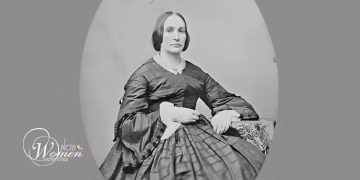


In the turbulent heart of the French Revolution, one woman’s pen shook the foundations of patriarchy—Olympe de Gouges, playwright, political activist, and fearless advocate for women’s rights. Born in 1748 in Montauban, France, de Gouges defied the expectations of her era, emerging as one of the earliest voices to boldly demand gender equality, civil rights, and social justice.
Best known for her groundbreaking 1791 manifesto, the “Declaration of the Rights of Woman and of the Female Citizen,” Olympe de Gouges directly challenged the male-dominated ideals of the Revolution. In a time when women were expected to remain silent, she declared, “Woman is born free and remains equal to man in rights.” Her writing fiercely criticized slavery, capital punishment, and the exclusion of women from political life—making her one of the first feminist thinkers to link Enlightenment ideals with women’s emancipation.
De Gouges’ radical vision and unrelenting activism came at a high cost. Branded an enemy of the Revolution for her outspoken views, she was executed by guillotine in 1793, a martyr to the cause of justice and equality.
Today, Olympe de Gouges is recognized not just as a pioneer of feminism, but as a courageous intellectual who risked everything to speak truth to power. Her legacy lives on in modern human rights movements, and her name stands as a symbol of female empowerment, political resistance, and the enduring fight for equality.