
Women Political Prisoners are being held in severe overcrowding and amid allegations of systematic abuse in Birjand Prison
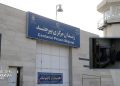
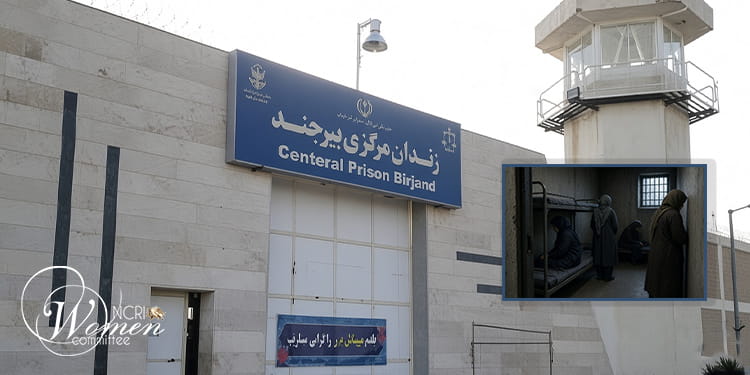
Women Political Prisoners in Iran are being held under harsh conditions in Birjand Prison, where severe overcrowding, poor sanitation, inadequate medical care, and allegations of systematic abuse have raised growing concerns about the treatment of female detainees under the clerical regime.
Birjand Prison is one of the prisons long criticized for overcrowding, inadequate healthcare, poor sanitation, and conditions that fall far below basic human standards. The prison houses ordinary inmates, drug-related offenders, and political prisoners.
Several prison wards accommodate far more prisoners than their intended capacity. While some wards were designed for approximately 90 inmates, they reportedly hold more than 300 prisoners. In some sections, the prison population has reportedly reached as many as 600 inmates.
Prisoners face poor-quality food and water, a shortage of bathrooms and sanitary facilities, limited access to fresh air and outdoor time, and inadequate medical services.
Living conditions are further worsened by infestations of bedbugs and lice, as well as reports of scorpions inside prison wards. The lack of effective pest control measures and basic healthcare services continues to threaten prisoners’ physical and mental well-being.
Limited access to physicians, dentists, medication, and specialized treatment places additional pressure on inmates, particularly women prisoners.
Women Political Prisoners Held in Birjand Prison
A significant number of women political prisoners are currently being held in Birjand Prison.
Among them are Taktom Rafiei, Mitra Ghasemi, Forough Sheikh Mahboubi, Setayesh Hashemi-Nasab, Fatemeh Sahraei, Mahdis Gholamalinejad, Helen Mokhtari, Zeinab Esmaili, Kobra Salimirad, Afsaneh Hashempour, Reyhaneh Janahmadi, Mobina Ganji, Zahra Aghamir, and Mahdieh Boumedi.
The presence of these women political prisoners in such conditions raises serious concerns about their safety and welfare.
In addition to being deprived of their freedom, these women face conditions that threaten their health, dignity, and fundamental rights. Reports from Birjand Prison have repeatedly pointed to pressure on political prisoners, threats against inmates who protest prison conditions, and restrictions on access to medical treatment and other basic services.
Serious Allegations of Abuse and Exploitation
In addition to the prison’s harsh conditions, serious allegations have emerged regarding the conduct of certain prison and judicial officials.
The names of Hassan Sayad, an investigating judge, and Javad Moaveni Bamroud, a judicial official, have been linked to allegations involving the exploitation of female prisoners and the alleged arrangement of temporary marriage schemes involving women imprisoned on social-crime charges.
Additional allegations indicate that some women prisoners, particularly those incarcerated on drug-related charges, have been subjected to coercion and exploitation because of their vulnerable position inside the prison.
The allegations also point to the involvement of certain prison personnel in creating conditions in which women prisoners are exposed to abuse and forced temporary marriages.
These allegations raise serious concerns about the treatment of women detainees and the absence of meaningful safeguards for vulnerable prisoners.
Prison Authorities and Responsibility
Birjand Prison is headed by Mohammad Sajedi, with Mohammadreza Zangouei serving as his deputy.
Other officials associated with the prison include Jafari, the prison supervisory judge, Mahmoud Sharakandi, head of prison protection, and an official identified as Rezaei, who serves in the prison security office.
For years, Birjand Prison has faced criticism over severe overcrowding, inadequate healthcare, poor sanitary conditions, and pressure on inmates. Despite ongoing concerns, these conditions continue to persist.
The allegations of corruption and abuse add yet another dimension to the hardships faced by prisoners, particularly women.
A Reflection of the Situation Facing Women Prisoners in Iran
The situation in Birjand Prison extends far beyond overcrowding and inadequate facilities.
Women political prisoners held in this prison face continuous pressure, restricted access to healthcare, poor sanitary conditions, and serious concerns regarding their safety and dignity.
The allegations of abuse and exploitation, combined with longstanding reports of inhumane prison conditions, highlight the vulnerability of women held in prisons under Iran’s ruling clerical regime.
For many women imprisoned in Birjand, incarceration means more than the loss of freedom. It means living in conditions that place their health, security, and human dignity at constant risk.