
A mother of four is hanged in violation of international law
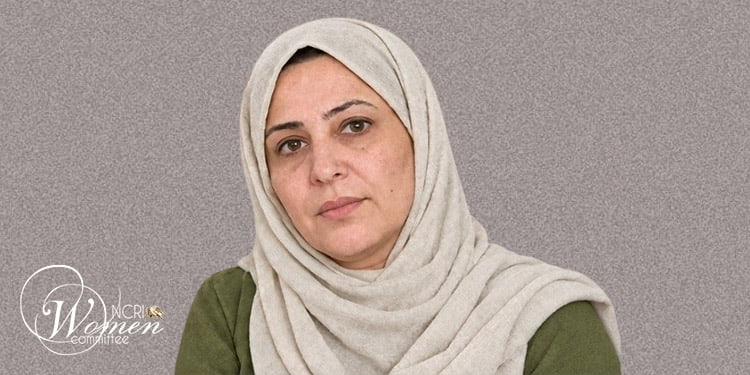
On the morning of Wednesday, September 30, the death sentence of a female prisoner was carried out in the Central Prison of Sari. The prisoner has been identified as 57-year-old Ashraf Faraji, originally from Ahvaz and residing in Sari, the capital of the northern province of Mazandaran.
According to published reports, Ashraf Faraji was a mother of four who had been struggling with severe neurological and psychiatric conditions for years, having been under medical treatment and psychiatric care for approximately two years prior to the incident.
Reports indicate that on the day of the incident, following an intense argument with her husband over financial difficulties, including funding their daughter’s education, an altercation took place under critical emotional distress, leading to her husband’s injury and subsequent death.
Ashraf Faraji’s case was processed by Branch 2 of the Sari Criminal Court, which ultimately sentenced her to qisas (retribution-in-kind, death penalty). The verdict was later upheld by Branch 6 of the Supreme Court. According to explicit international laws, individuals suffering from mental disorders must not, under any circumstances, be sentenced to death or executed.
As of the time of this report, state-run media and official regime sources have published no information regarding the execution of this sentence.
This tragic incident once again underscores how poverty and economic hardship—which strip families of the ability to afford even the most basic needs, such as education—give rise to mental health crises and catastrophic consequences that result in nothing short of the collapse of families.
According to state-media reports, 87.5 million out of Iran’s 90 million population now require assistance to afford basic living essentials. (Iran Online, August 18, 2026)
This situation is the direct result of pervasive corruption and plunder by the ruling regime, alongside decades of squandering national wealth on nuclear, missile, and warmongering projects—policies that have driven the country to the brink of economic collapse.
Iran, the world record holder in executing women
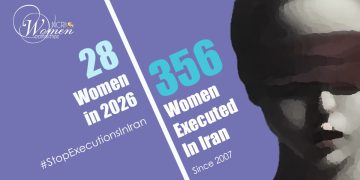
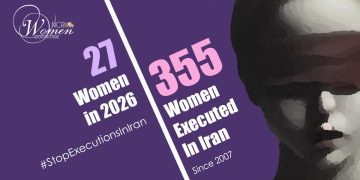
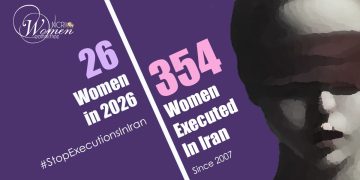
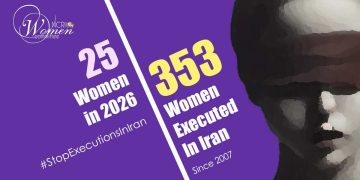
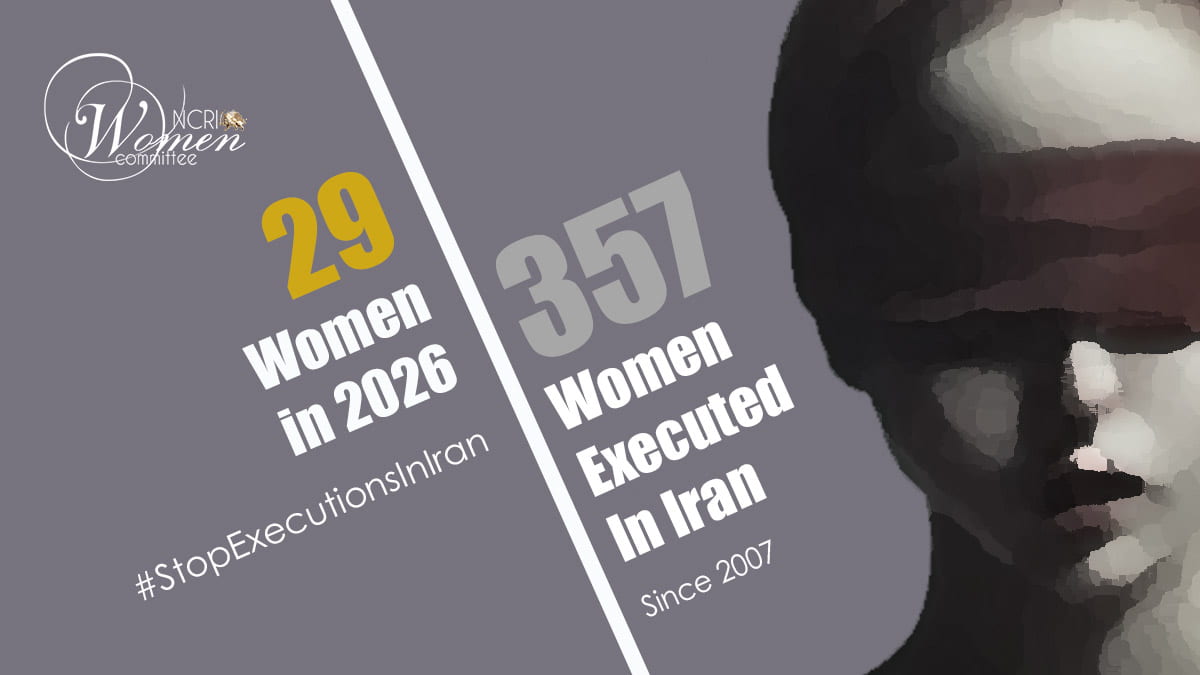
With the execution of Ashraf Faraji in the Central Prison of Sari, the number of women executed in Iranian prisons since the beginning of 2026 has reached at least 29.
According to data recorded by the Women’s Committee of the National Council of Resistance of Iran, at least 357 women have been executed in Iran since 2007.
Since Masoud Pezeshkian took office, the clerical regime has executed 4127 prisoners, including 117 women.
According to the NCRI sources, in 2025 alone, at least 2,201 executions were recorded in Iran, more than double the 1,006 individuals executed in 2024.
Amnesty International confirmed in its annual report that Iran’s ruling dictatorship carried out at least 2,159 executions in 2025, the highest documented annual execution rate worldwide since 1981.
The NCRI Women’s Committee calls on the United Nations and relevant agencies, the European Union and its member states, as well as all human rights defenders, to take effective measures to halt the rampant executions in Iran.