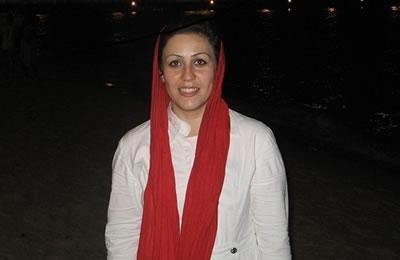

Iran: Imprisoned woman urges prosecution of perpetrators of 1988 massacre
In a letter to international organizations which was publicized on December 22, 2016, political prisoner Maryam ...
Read moreDetails

Female political prisoners in Iran are victims of an arbitrary legal process.
Ever since the fanatic mullahs’ rise to power in 1979, many dissidents have been facing imprisonment, torture, and execution.
Women made up about one-third of the inmates massacred in 1988 on Khomeini’s Fatwa.
The Iranian regime has continued to clamp down on dissent and incarcerate human rights activists and political opponents since 1980. Many civil activists and human rights defenders are held behind bars.
Since August 2013 until the end of January 2020, 105 women were executed during Hassan Rouhani’s tenure as the mullahs’ president.
The main place were female political prisoners are detained is the women’s ward of Evin Prison in Tehran.
Although living conditions in Evin are horrific and inhumane, it is the only place where detainees are separated according to the category of their offenses.
Female political prisoners are also incarcerated in the prisons of Varamin (Qarchak), Urmia, Bukan, Tabriz, Khoy, Kermanshah, Zanjan, Ahvaz, Sanandaj, Kashan, Kerman, Marivan, Mashhad, Mahabad, Yasuj, Yazd, Semnan, and Shiraz, serving their unjust sentences amongst ordinary and often dangerous inmates.
The Universal Declaration of Human Rights highlights the right to freedom of all human beings and specifically the advocacy and freedom of religion and thought.
The declaration’s Article 18 states, “Everyone has the right to freedom of thought, conscience and religion; this right includes freedom to change his religion or belief and freedom, either alone or in community with others and in public or private.”
The International Covenant on Civil and Political Rights also states that no person shall be subjected to arbitrary arrest. Article 9 of the covenant states, “Everyone has the right to liberty and security of person.”
Rule 61 of the United Nations Rules for the Treatment of Women Prisoners and Non-custodial Measures for Women Offenders (the Bangkok Rules) reads, “When sentencing women offenders, courts shall have the power to consider mitigating factors such as lack of criminal history and relative non-severity and nature of the criminal conduct, in the light of women’s caretaking responsibilities and typical backgrounds.”
Clearly, these standards are far from the conduct of the Iranian regime.
The NCRI Women’s Committee has published a comprehensive report, “Women in Pursuit of Justice”, to shed light on the systematic violations of women’s human rights in Iran in the process of arrest and imprisonment and hopes to receive support and attention by human rights advocates, lawyers, and relevant authorities from around the world.
In a letter to international organizations which was publicized on December 22, 2016, political prisoner Maryam ...
Read moreDetailsHassan Jaafari published an open letter on December 13, 2016, on the birthday of political prisoner ...
Read moreDetailsOn the International Human Rights Day, the women imprisoned in the women's ward of the Evin ...
Read moreDetailsIn an open letter smuggled out of prison 12 days ago, political prisoner Maryam Akbari Monfared ...
Read moreDetailsFor the second time in recent months, five prisoners detained in Gohardasht Prison of Karaj have ...
Read moreDetailsPolitical prisoner Sedigheh Moradi who was just recently released from prison on November 23, 2016, after ...
Read moreDetailsSimultaneous with the International Day for the Elimination of Violence Against Women on November 25, political ...
Read moreDetailsA number of Isfahan's women issued a declaration in support of the demand for justice by ...
Read moreDetailsEvin political prisoner Maryam Akbari Monfared followed up on her complaint filed on October 15, 2016, ...
Read moreDetailsVarious groups of people have declared support for political prisoner Maryam Akbari from all across Iran. ...
Read moreDetails
We work extensively with Iranian women outside the country and maintain a permanent contact with women inside Iran. The Women’s Committee is actively involved with many women’s rights organizations and NGO’s and the Iranian diaspora.
The committee is a major source of much of the information received from inside Iran with regards to women. Attending UN Human Rights Council meetings and other international or regional conferences on women’s issues and engaging in a relentless battle against the Iranian regime’s misogyny are part of the activities of members and associates of the committee.