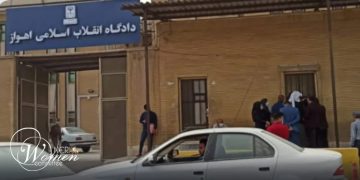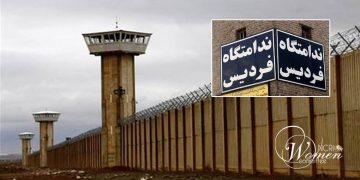


Fardis Prison in Karaj, also known as Kachouii Prison or the Fardis Correctional Facility, is in the Hosseinabad area of Fardis, Alborz Province. The prison consists of four wards and seven halls and holds more than 1,000 prisoners. Five of the halls are used for the general prison population, where women facing different charges, sentences, and legal statuses are held together.
Overcrowding and Lack of Proper Prisoner Classification
In the women’s ward of Fardis Prison, prisoners with widely different backgrounds and circumstances are housed in shared spaces. Women accused or convicted of violent crimes, political and security prisoners, inmates serving long-term sentences, and newly arrived detainees may all be accommodated in the same hall. No clear classification system appears to exist based on the type of charge, legal status, age, criminal record, or security needs.
One section of the prison is known as the “nursery,” where incarcerated girls under the age of 18, as well as imprisoned women with children, are held.
The prison halls generally measure between 40 and 50 square meters (430 to 540 square feet). Hall No. 5, at approximately 75 square meters (807 square feet), is both the largest and the most crowded section of the prison. The number of prisoners housed there fluctuates with new arrivals and transfers and at times exceeds 70 people.
Although each hall is equipped with only three showers and toilets, the large prison population means these facilities are insufficient to meet prisoners’ daily needs. The limited physical space, even before accounting for beds, personal belongings, walkways, and service areas, leaves very little usable space for each prisoner.
A shortage of sleeping accommodations is another major problem in the ward. In Hall No. 5, “floor sleeping,” where prisoners must sleep directly on the floor due to a lack of beds, is widespread, and there are not enough beds, mattresses, pillows, or blankets for everyone.
Shortage of Facilities and Difficult Daily Living Conditions
Some of the available bedding is old and worn out. The blankets used by prisoners are rough and heavily deteriorated, and even the limited number available is not provided to everyone.
During the hotter months of the year, when power outages occur repeatedly, prisoners face restrictions on what they are allowed to wear. Women are not permitted to wear shorts or sleeveless clothing and are required to wear long garments and loose trousers. These restrictions make it even more difficult to endure extreme heat in an all-female environment that lacks adequate ventilation.
Health Problems and Disruptions to Essential Services
Frequent water and electricity outages are ongoing problems at Fardis Prison. The prison’s electricity is cut almost every day, and during outages officials reportedly do not activate generators to save money. As a result, cooling systems stop functioning, leaving women prisoners in overcrowded halls exposed to intense heat.
Under such conditions, reports indicate that prisoners, particularly during the summer months, experience fatigue, dizziness, and symptoms of heat exhaustion. Water outages also disrupt access to bathing, cleaning living areas, washing clothes, and maintaining sanitary use of restroom facilities.
A shortage of hygiene supplies is another serious problem in the prison, and reports indicate the spread of head lice among prisoners.
This summer, sewage overflowed into the women’s exercise yard, covering a large portion of the area. The strong foul odor, environmental contamination, and increase in insects made it virtually impossible for many prisoners to use the yard.
After prisoners in Ward 1 protested the unsanitary conditions, prison officials cited budget shortages and stated that any repairs would depend on potential assistance from charitable donors.
Quarantine Unit and Growing Health Concerns
In addition to being the most crowded section of the prison, Hall No. 5 also serves as a quarantine area and intake unit for newly admitted prisoners.
New arrivals are kept in the hall for several days and are transferred to other halls if they are not found to show symptoms of illnesses such as hepatitis, skin diseases, or drug dependency.
However, overcrowding and the prolonged presence of sick prisoners have turned the section itself into a center for the transmission of lice and contagious diseases. Reported problems include insufficient space, inadequate ventilation, limited hygiene facilities, a lack of clean clothing and bedding, and ineffective medical screening.
Prisoners serving long-term sentences are also housed alongside new arrivals in the same hall, illustrating that Hall No. 5 functions not only as a temporary quarantine unit but also houses part of the prison’s general population.
Poor Food Quality and Difficulties Meeting Basic Needs
The quality of food provided to prisoners at Fardis Prison has been described as poor. According to prisoners, legumes and certain other food items are sometimes served undercooked or not cooked at all. There have also been reports of cigarette butts, hair, ants, and insects remaining in meals.
Prison officials have also stopped distributing bread, citing budget shortages. In addition, prisoners are not provided with basic items such as spoons, forks, plates, or cups and are forced to purchase them from the prison store.
Many women prisoners face financial hardship and have very limited funds in their prison accounts. As a result, some rely on sharing resources and financial means with one another to cover their daily necessities. This practice has become part of everyday life inside the prison. Prisoners from low-income families, those with limited outside support, or those unable to maintain regular contact with their families face even greater difficulties.
Warning Over Inhumane Conditions in Women’s Ward of Fardis Prison
Following reports on conditions in the women’s ward of Fardis Prison, the Women’s Committee of the National Council of Resistance of Iran previously noted in a statement:
“The purpose of the regime’s henchmen in creating these catastrophic and inhumane conditions, and the illnesses resulting from them, is to impose torture and additional pressure to break prisoners’ resistance. This is especially significant because Hall 1 houses, in addition to prisoners convicted of ordinary offenses, a number of political prisoners, including Masoumeh Sanoubari, Atefeh Hassani, and Fatemeh Nadi Dastgerdi, supporters of the People’s Mojahedin Organization of Iran.”
The statement further emphasized:
“The Iranian Resistance calls on the UN Special Rapporteur on violence against women and the UN Special Rapporteur on the situation of human rights in Iran to take immediate action regarding the critical conditions in Fardis Prison in Karaj and to save the lives of all prisoners, including female political prisoners who are being held under inhumane conditions.”