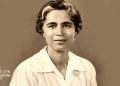

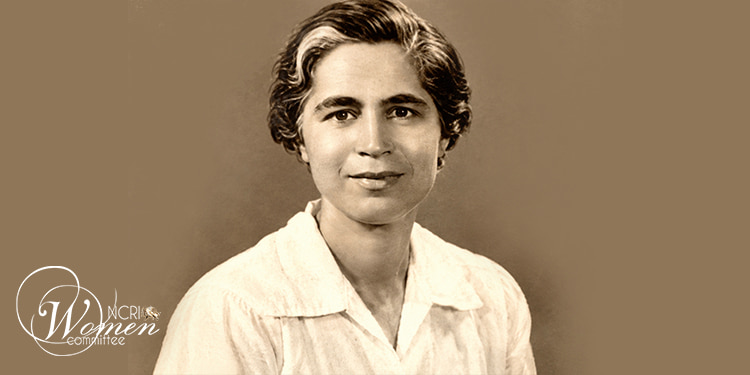
In the early decades of the 20th century, a time when few women in Iran had access to higher education and rigid social barriers stood in the way of professional careers, one woman’s grit, intellect, and resolve shattered conventions. Soghra Azarmi rose above pervasive discrimination to become Iran’s first female pathologist.
Through advanced study and research across Iran, the United States, and Australia, Azarmi pioneered the fields of cytology and early cancer detection. In doing so, she not only left an indelible mark on Iranian medicine but also emerged as a powerful symbol of women’s capability to achieve the highest echelons of academic and professional success.
Breaking Early Barriers
Born in Asadabad, Hamadan, in 1914, Azarmi spent her childhood and youth in an era when formal education for girls faced severe restrictions. However, unlike many families of that period, her relatives placed a high value on girls’ education, laying the foundation for her intellectual growth.
After completing her high school education in Hamadan, Azarmi demonstrated her leadership early on by founding the Ekbatans School, where she spent five years teaching and serving as principal.
Long drawn to the medical field, Azarmi initially secured a scholarship to an educational center in Philadelphia, but administrative hurdles and passport denials derailed the opportunity. Undeterred, she pivoted to the Faculty of Medicine at the University of Tehran. Entering a medical program as a woman at that time was a rare and groundbreaking feat. Alongside her grueling university coursework, she mastered English—a skill that later unlocked international academic corridors.
Global Training and Medical Milestones
Following her medical graduation, Azarmi traveled to the United States for specialized training—a remarkably rare pursuit for an Iranian woman at the time. She studied pathology at the Chicago Women’s Hospital in Illinois, immersing herself in the cutting edge of global medicine and opening new horizons for her career.
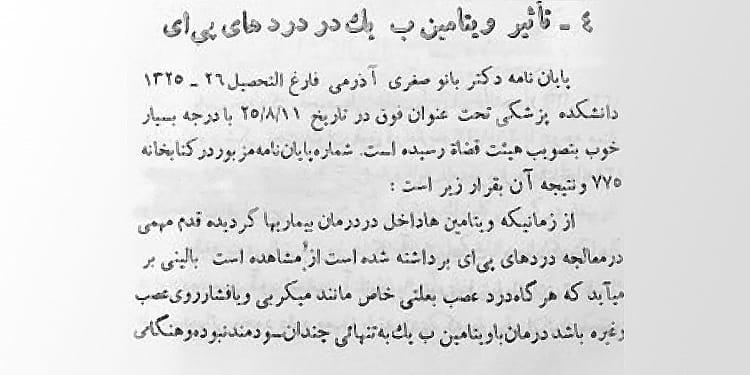
Her academic footprint soon expanded internationally. In 1965, at the invitation of the Australian government, Azarmi traveled to Melbourne to conduct specialized research in the University of Melbourne’s pathology department. She later refined her expertise in cytology (cell biology) at Johns Hopkins University in Baltimore, one of the world’s most prestigious medical research institutions. These advanced fellowships positioned her as one of the few Iranian specialists fluent in the world’s most advanced cancer-diagnostic techniques.
Revolutionizing Cancer Care in Iran
Upon returning to Iran, Azarmi channeled her international expertise into combating cancer and elevating domestic healthcare standards. Joining the National Society for Fight Against Cancer, she played a vital role in early diagnosis and improving patient outcomes.
In an era when most cancers were detected only in advanced stages, Azarmi fiercely championed early detection, working tirelessly to introduce modern laboratory methods and cellular analysis into Iran’s medical system.
In 1957, she joined a University of Tehran-affiliated center, serving as director of its clinic for eight years. Her administrative leadership and clinical research cemented her legacy as a pillar of Iranian medical history.
A Lasting Legacy
Soghra Azrami’s historical significance and renown stem above all from the pivotal role she played in developing pathology and cytology in Iran. Scientific records recognize her as the country’s first female pathologist and a trailblazer in expanding cytological studies nationwide. Her efforts helped establish the critical importance of cellular analysis in diagnosing diseases, particularly cancer, paving the way for future generations of specialists in the field.
However, Soghra Azarmi’s significance extends far beyond her medical achievements. By stepping into a professional arena dominated almost exclusively by men, she became an inspirational trailblazer for Iranian women. She proved that women could excel at the highest levels of science and research, carving out a path that would later be followed by hundreds of Iranian female physicians, professors, and specialists.
Ironically, the pioneer of cancer diagnostics passed away from cancer in 1973—the very disease she had dedicated her professional life to understanding, detecting, and fighting.
Today, Soghra Azarmi’s legacy endures not only in the annals of Iranian medicine, but in the broader history of women striving for equal educational and professional opportunity. She remains a shining example of a generation of women who used knowledge, resilience, and courage to challenge the limitations of their time and open the doors of science to all.