
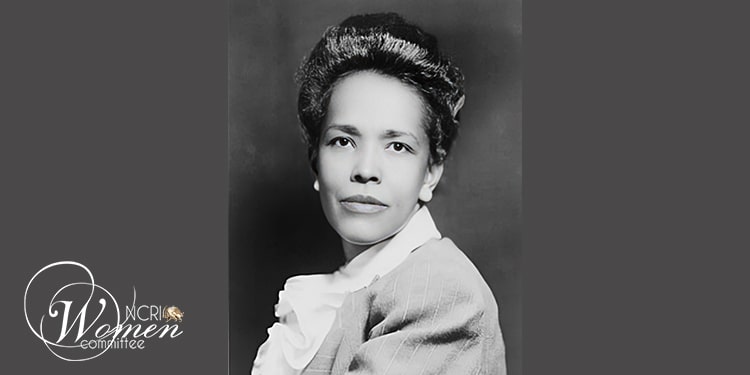

Ella Baker (December 13, 1903 – December 13, 1986) was one of the most influential yet understated leaders of the American Civil Rights Movement. A strategist, organizer, and mentor to generations of young activists, Baker helped shape the grassroots philosophy that powered the struggle for racial justice in the mid-20th century.
Born in Norfolk, Virginia and raised in North Carolina, Baker grew up in a family that valued community responsibility and collective action. After graduating from Shaw University, she moved to New York City during the Harlem Renaissance, where she quickly immersed herself in political and social activism.
Ella Baker joined the NAACP in the 1930s and soon became its national director of branches, the highest-ranking woman in the organization. She traveled extensively across the South, listening to local communities and urging ordinary people to lead. Her organizing style, centered on empowerment rather than celebrity leadership, became her signature principle.
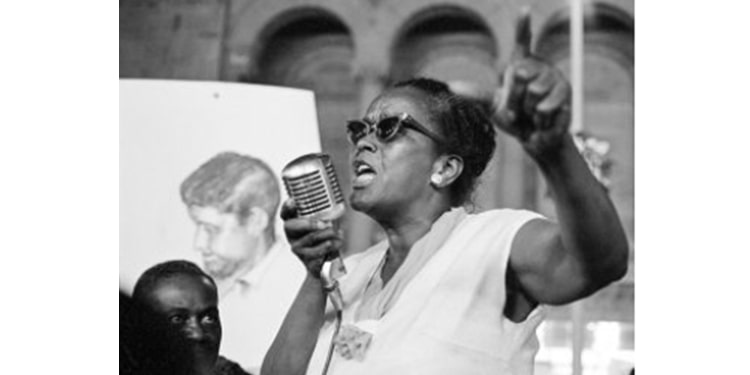
In 1957, Ella Baker co-founded the Southern Christian Leadership Conference (SCLC) alongside Dr. Martin Luther King Jr. But her most enduring legacy came in 1960, when she encouraged student sit-in leaders to form their own organization. The result was the Student Nonviolent Coordinating Committee (SNCC), a pivotal force in the Freedom Rides, voting-rights campaigns, and Mississippi Freedom Summer.
Known as the “godmother of grassroots organizing,” Baker believed that true change came from collective strength, not top-down authority. Her lifelong commitment to participatory democracy continues to influence social justice movements today.